
Studying Biological Sciences
Welcome to the world of Biological Sciences, a field that explores the intricacies of life and the natural world. From the smallest microorganisms to the largest ecosystems, studying Biological Sciences offers a unique opportunity to understand the building blocks of life and the…
ITER Education
Introduction
Welcome to the world of Biological Sciences, a field that explores the intricacies of life and the natural world. From the smallest microorganisms to the largest ecosystems, studying Biological Sciences offers a unique opportunity to understand the building blocks of life and the interconnectedness of all living things.
What is Biological Sciences?
Biological Sciences encompasses all the divisions of natural sciences examining various aspects of vital processes. The concept includes anatomy, physiology, cell biology, biochemistry and biophysics, and covers all organisms from microorganisms, animals to plants.
Why Study Biological Sciences?
Studying Biological Sciences can offer several benefits:
Understanding Life: It allows you to understand the mechanisms of life at different levels - from molecular biology to ecology.
Solving Global Challenges: Knowledge in biological sciences is key to addressing major global challenges such as disease control, environmental issues, and food security.
Career Opportunities: A degree in biological sciences opens up a wide range of career opportunities in sectors like healthcare, agriculture, environment conservation, and more.
What's it like to study Biological Sciences?
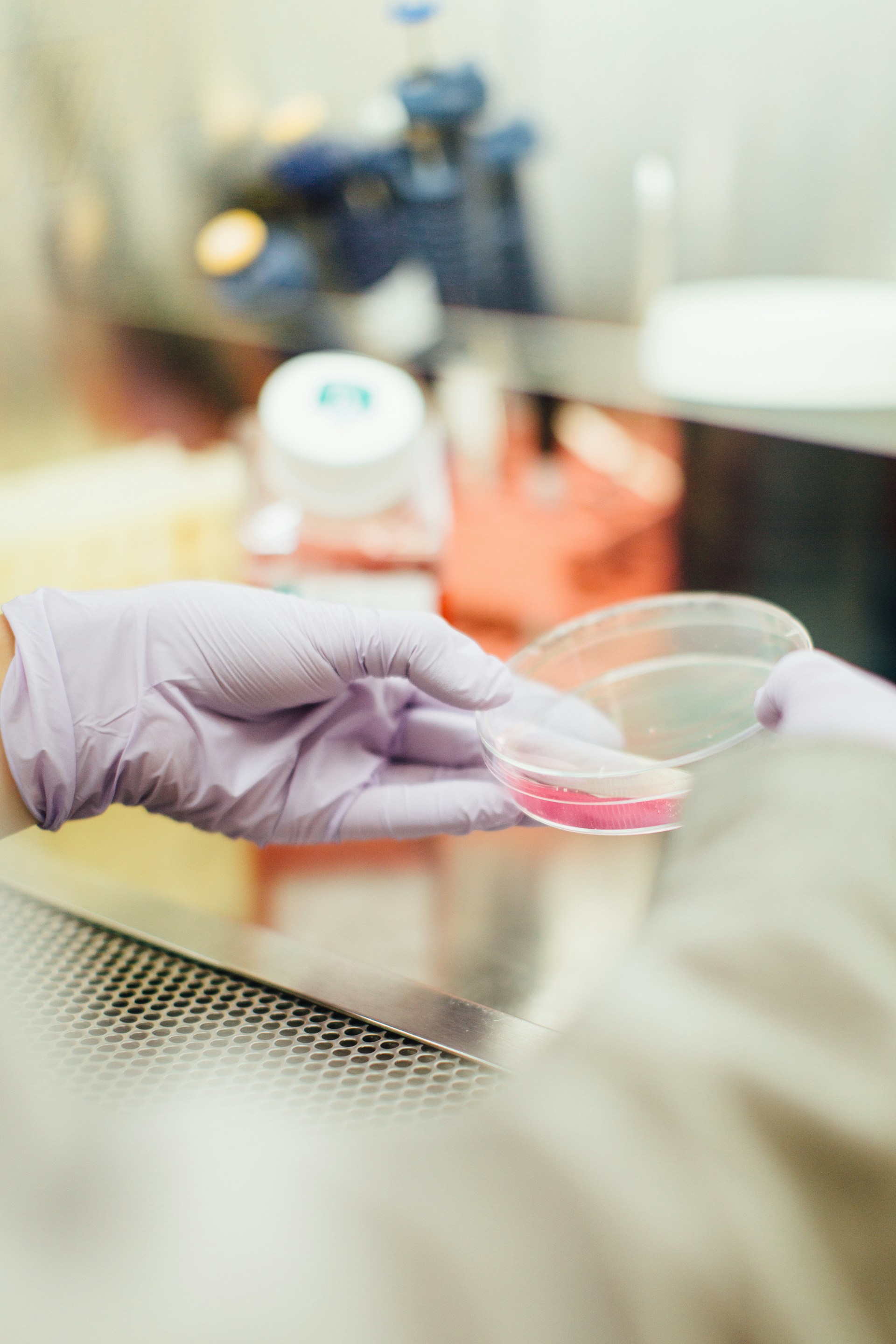
Studying Biological Sciences involves a mix of theoretical learning, laboratory experiments, and often fieldwork. Topics studied can range from genetics and evolution, to ecology and biodiversity, depending on your area of interest.
What can you do with a Biological Sciences degree?
A degree in Biological Sciences paves the way for a diverse range of career paths. Here are some potential careers:
Biologist: Biologists study organisms and their relationship to the environment. They may specialise in a particular area of biology, such as zoology (animals), botany (plants), or microbiology (microorganisms).
Microbiologist: Microbiologists study microorganisms such as bacteria, viruses, algae, fungi, and some types of parasites. They try to understand how these organisms live, grow, and interact with their environments.
Geneticist: Geneticists study genes to understand how traits are passed from parents to offspring. They often conduct research to identify the genetic or genomic components of diseases or disorders.
Ecologist: Ecologists study the relationships between organisms and their environments. They may work in fields such as conservation, natural resource management, or environmental planning.
Biochemist: Biochemists study the chemical and physical principles of living things and of biological processes, such as cell development, growth, heredity, and disease.
Pharmaceutical Scientist: Pharmaceutical scientists research and develop new medicines, ensuring their safety and efficacy. They also conduct clinical trials and seek regulatory approval for new drugs.
Healthcare Scientist: Healthcare scientists perform a range of laboratory and scientific tests to support the diagnosis and treatment of disease. They work in many different areas of healthcare including clinical biochemistry, immunology, and genetics.
Environmental Consultant: Environmental consultants use their knowledge of biological sciences to advise on a range of issues, including the preservation of habitats, the management of species, and the restoration of ecosystems.
Each of these roles requires a strong foundation in biological sciences, along with problem-solving abilities, analytical skills, and a deep understanding of living organisms and their environments. As you progress in your career, you may also consider further professional qualifications to specialise in your chosen field.
Professional bodies for Biological Sciences
Organisations like the American Institute of Biological Sciences (AIBS) and the Royal Society of Biology offer resources, research updates, and networking opportunities for biological science professionals.
Careers for Biological Sciences graduates
Graduates can work in sectors such as healthcare, environmental conservation, agriculture, pharmaceuticals, academia, and more. They may conduct research, work on policy development, manage natural resources, or educate others about the natural world.
Skills that Biological Sciences Sstudents need
Students in Biological Sciences need a strong foundation in science and math, analytical thinking, problem-solving skills, and a keen interest in the natural world.
Typical degree titles that are Biological Sciences focused
Degree titles in this field include Bachelor of Science in Biological Sciences, Master of Science in Biological Sciences, and PhD in Biological Sciences. Some programs offer specialisations in areas like microbiology, genetics, ecology, or marine biology.