Studying Film and TV
Welcome to the captivating world of Film and TV, a field that explores the art, science, and business of visual storytelling. Studying Film and TV can lead to a career that combines creativity, technical skills, and the power to shape culture and society
ITER Education
Introduction
Welcome to the captivating world of Film and TV, a field that explores the art, science, and business of visual storytelling. Studying Film and TV can lead to a career that combines creativity, technical skills, and the power to shape culture and society
What is Film and TV?
Film and TV is a discipline focused on the creation and production of moving images. This includes everything from scriptwriting and directing to cinematography, sound design, and editing. It also covers the study of film and television as cultural and artistic expressions, examining their history, genres, aesthetics, and impact on society.
Why Study Film and TV?
Choosing to study Film and TV offers several benefits:
Creativity: This field allows you to express your ideas and stories through a powerful medium.
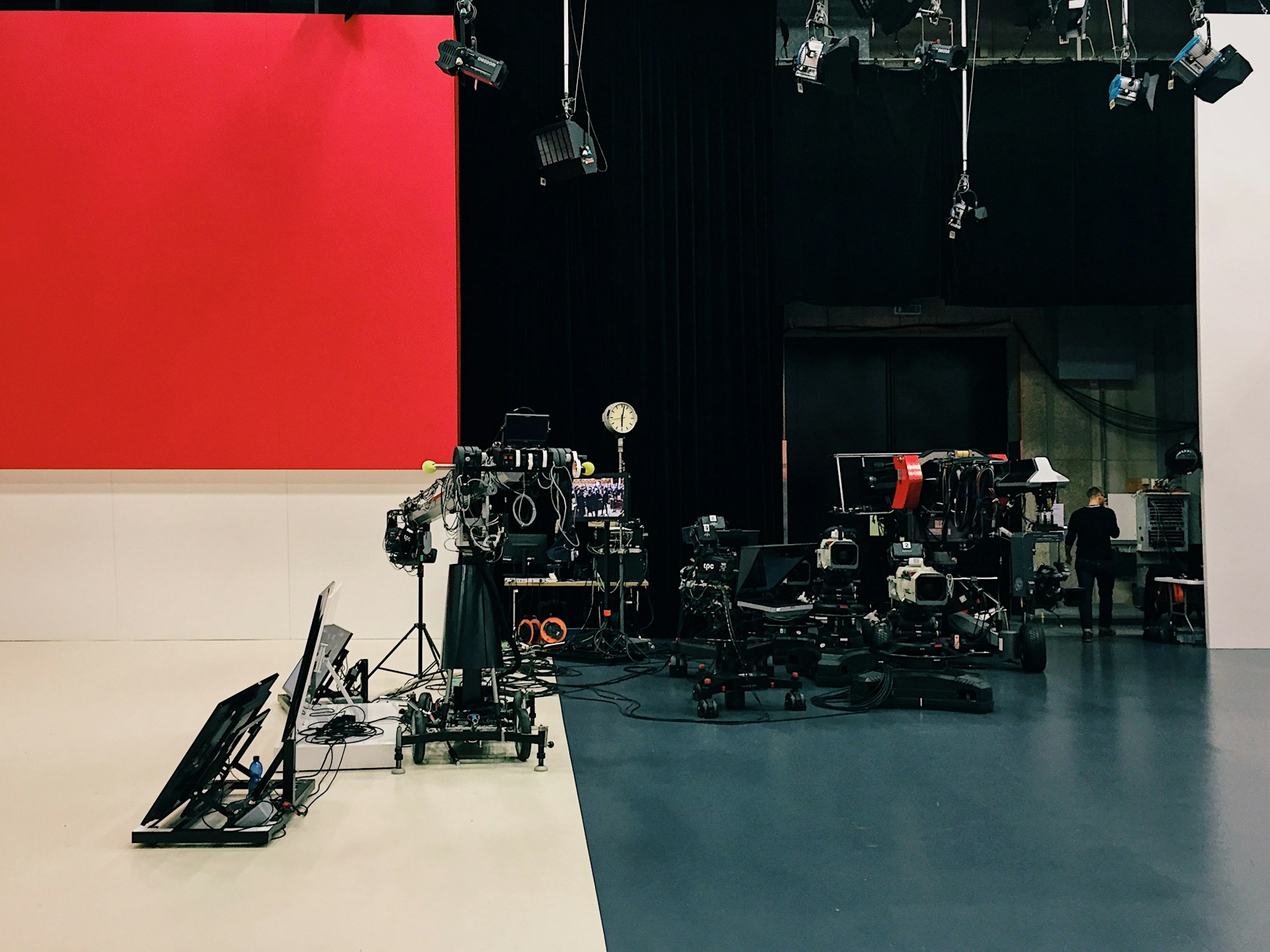
Technical Skills: You'll learn a range of technical skills, from camera operation and editing to sound design and lighting.
Cultural Impact: Film and TV have a significant influence on society, making this a field where you can make a meaningful impact.
What's it like to study Film and TV?
Studying Film and TV involves learning about various aspects of the industry, such as screenwriting, directing, cinematography, editing, and production management. You'll also explore film and television theory, history, and criticism. Learning experiences often include hands-on projects, industry internships, and opportunities to create your own film and TV productions.
What can you do with a Film and TV Degree?
A degree in Film and TV can lead to a variety of exciting careers. Here are some potential career paths:
Film Director: Directors oversee the creative aspects of a film, from interpreting the script to guiding the actors' performances. They work closely with the film's crew to create a cohesive visual story.
TV Producer: TV producers manage the production of a television show. They coordinate the writing, filming, and editing processes, make budgeting decisions, and liaise with networks and sponsors.
Cinematographer: Cinematographers, also known as directors of photography, are responsible for a film's photography and visual appearance. They choose the cameras, lenses, filters, and other equipment to achieve the desired look.
Screenwriter: Screenwriters create scripts for films and television shows. They may write original stories or adapt existing works for the screen.
Film Editor: Film editors work with the director to assemble the filmed scenes into a coherent and impactful narrative. They play a crucial role in shaping the film's pacing, mood, and storytelling.
Sound Designer: Sound designers create the auditory elements of a film or TV show. This can include dialogue, sound effects, ambient sound, and music.
Film Critic: Film critics analyse and evaluate films for newspapers, magasines, websites, or broadcast media. They provide insights about the film's merits and shortcomings, often influencing public opinion and box office results.
Each of these roles requires a strong foundation in film and TV principles, along with creativity, technical skills, and an understanding of storytelling techniques. As you progress in your career, further qualifications and professional certifications may open up more specialised opportunities.
Professional bodies for Film and TV
Organisations like the Directors Guild of America (DGA), the British Film Institute (BFI), and the International Association of Film and Television Schools (CILECT) offer resources, certifications, and networking opportunities for professionals in this field.
Careers for Film and TV graduates
Graduates can work in various roles in the film and television industry, such as directing, producing, screenwriting, cinematography, editing, or sound design. They may also pursue careers in film criticism, film festival organisation, or media education.
Skills that Film and TV Students need
Students in this field need strong creative skills, an understanding of visual storytelling, technical skills in areas like camera operation and editing, and the ability to work collaboratively on productions.
Typical degree titles that are Film and TV focused
Degree titles in this field include Bachelor of Arts in Film and Television, Master of Fine Arts in Film and Television Production, and PhD in Cinema Studies. Some programs offer specialisations in areas like documentary filmmaking, animation, or screenwriting.