Studying Green Energy and Renewable Engineering
Welcome to the world of Green Energy and Renewable Engineering - a field that holds the key to our planet's sustainable future. This sector is at the forefront of creating environmentally friendly solutions for energy generation and consumption, making it an exciting area of study for students…
ITER Education
Welcome to the world of Green Energy and Renewable Engineering - a field that holds the key to our planet's sustainable future. This sector is at the forefront of creating environmentally friendly solutions for energy generation and consumption, making it an exciting area of study for students worldwide.
What is Green Energy and Renewable Engineering?
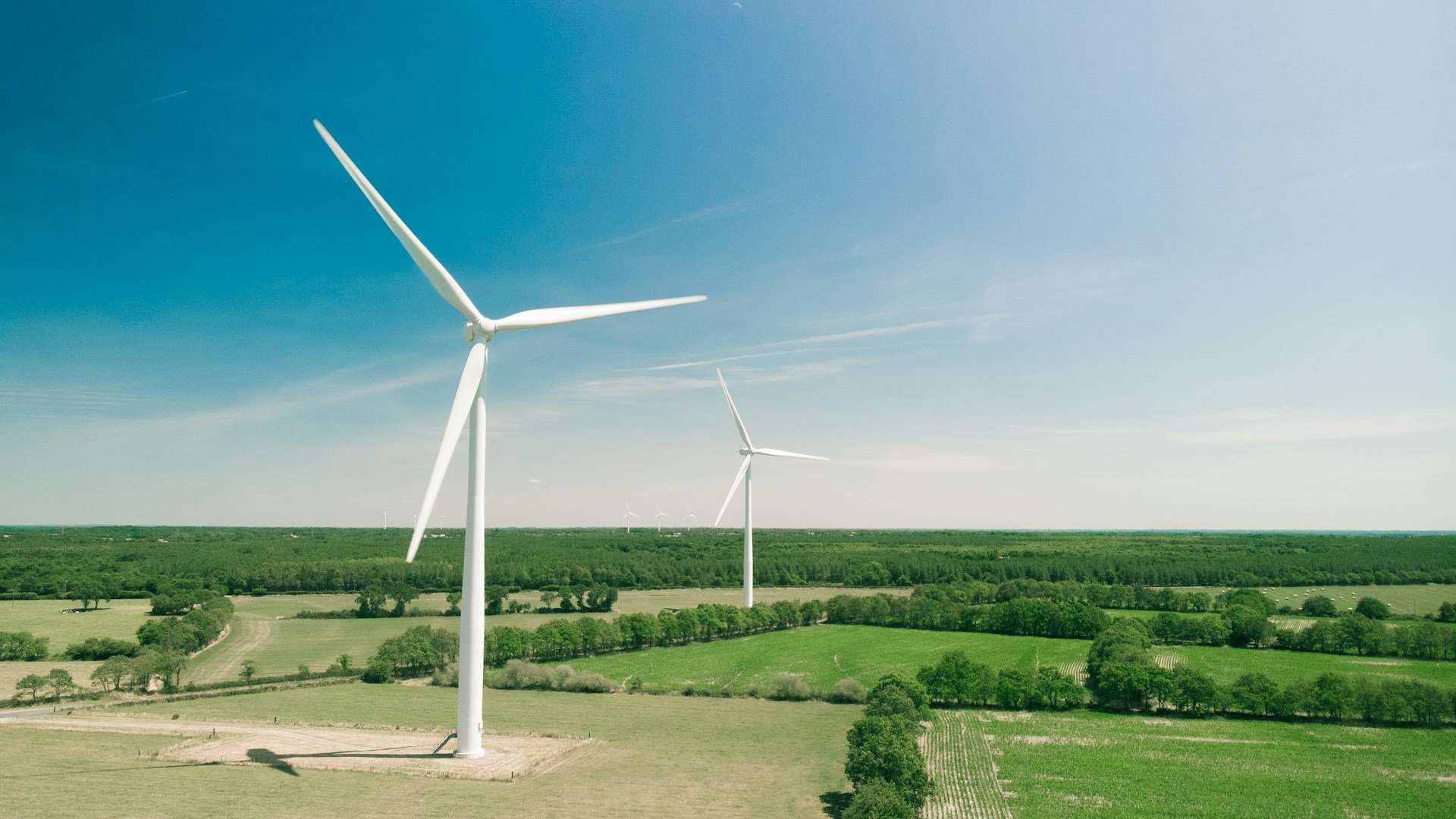
Green Energy and Renewable Engineering is an engineering discipline that focuses on the development and application of renewable and sustainable energy technologies. It includes areas such as solar power, wind energy, hydroelectricity, and bioenergy. Engineers in this field work to design, optimize, and implement systems that convert renewable resources into energy, aiming to replace the need for fossil fuels and reduce carbon emissions.
Why study Green Energy and Renewable Engineering?
Studying Green Energy and Renewable Engineering offers numerous benefits:
High Demand: With the global push toward sustainability, there is a growing demand for professionals who can develop and implement green energy solutions.
Make a Difference: This field allows you to contribute to combating climate change and promoting environmental sustainability.
Diverse Career Opportunities: Green Energy and Renewable Engineering graduates have a wide range of career opportunities in sectors like research, consulting, project management, and more.
What’s it like to study Green Energy and Renewable Engineering?
Studying this subject involves a mix of theoretical learning and practical experience. You'll learn about different forms of renewable energy, how they're harnessed, and how they can be used to meet energy demands sustainably. You'll also get hands-on experience through laboratory work and industry placements.
What can you do with a Green Energy and Renewable Engineering degree?
A degree in this field can lead to various roles, such as Renewable Energy Consultant, Energy Efficiency Engineer, or Solar Project Manager. You could work in government agencies, private firms, research institutions, or non-profits.
Professional bodies for Green Energy and Renewable Engineering
Professional bodies like the American Council on Renewable Energy (ACORE), Renewable Energy Institute International (REII), and World Council for Renewable Energy (WCRE) provide resources, networking opportunities, and professional development for those in the field.
Careers for Green Energy and Renewable Engineering Graduates
A degree in Green Energy and Renewable Engineering opens up a diverse range of career opportunities. From designing innovative energy solutions to influencing policy decisions, the roles you can take on are both varied and impactful. Here are some of the career paths you could pursue:
Renewable Energy Engineer: In this role, you'll design, test, and implement renewable energy systems such as solar panels, wind turbines, and hydroelectric plants. You'll also conduct research to develop new energy sources or improve existing ones.
Energy Efficiency Engineer: Your job will be to find ways to reduce energy consumption. This could involve conducting energy audits, designing energy-efficient buildings and processes, or developing systems for managing and monitoring energy use.
Sustainability Consultant: As a consultant, you'll advise companies on how to reduce their environmental impact and comply with sustainability regulations. This could involve anything from developing green procurement strategies to implementing renewable energy systems.
Project Manager: In the renewable energy sector, project managers oversee the planning, execution, and completion of projects. This could include anything from setting up a new wind farm to upgrading an existing hydroelectric plant.
Policy Analyst: Working in government or non-profit organizations, policy analysts review and develop policies related to renewable energy and sustainability. They often conduct research, analyze data, and present recommendations to policymakers.
Researcher/Academic: Many graduates choose to continue their studies and conduct research in renewable energy. This could lead to a career in academia, where you can contribute to advancing knowledge in the field and educate the next generation of engineers.
In addition to these specific roles, graduates also have the opportunity to work in a wide range of sectors. Energy companies, environmental consultancies, engineering firms, research institutions, government departments, and non-profit organizations all need professionals with expertise in green energy and renewable engineering.
Furthermore, the skills you gain during your studies - such as problem-solving, project management, and technical knowledge - are highly transferrable and can be applied in many different contexts. This means that even if your career takes you in a different direction, your degree will still be a valuable asset.
Skills that Green Energy and Renewable Engineering Students need
Students need strong problem-solving skills, a solid understanding of engineering principles, and the ability to work in multidisciplinary teams. Knowledge of computer-aided design (CAD) software, project management, and environmental legislation can also be beneficial.
Typical degree titles that are Green Energy and Renewable Engineering focussed
Degree titles may include BEng in Renewable Energy Engineering, MSc in Sustainable Energy Systems, or PhD in Energy and Environmental Engineering.
Studying Green Energy and Renewable Engineering is a chance to gain the skills and knowledge to make a real impact on the world's energy future. For international students seeking a challenging and rewarding field of study, this could be just the opportunity you've been looking for.