
Studying Interior Architecture and Design
Welcome to the captivating world of Interior Architecture and Design. This field is a unique blend of creativity and technical knowledge, aimed at transforming indoor spaces into functional and aesthetically pleasing environments.
ITER Education
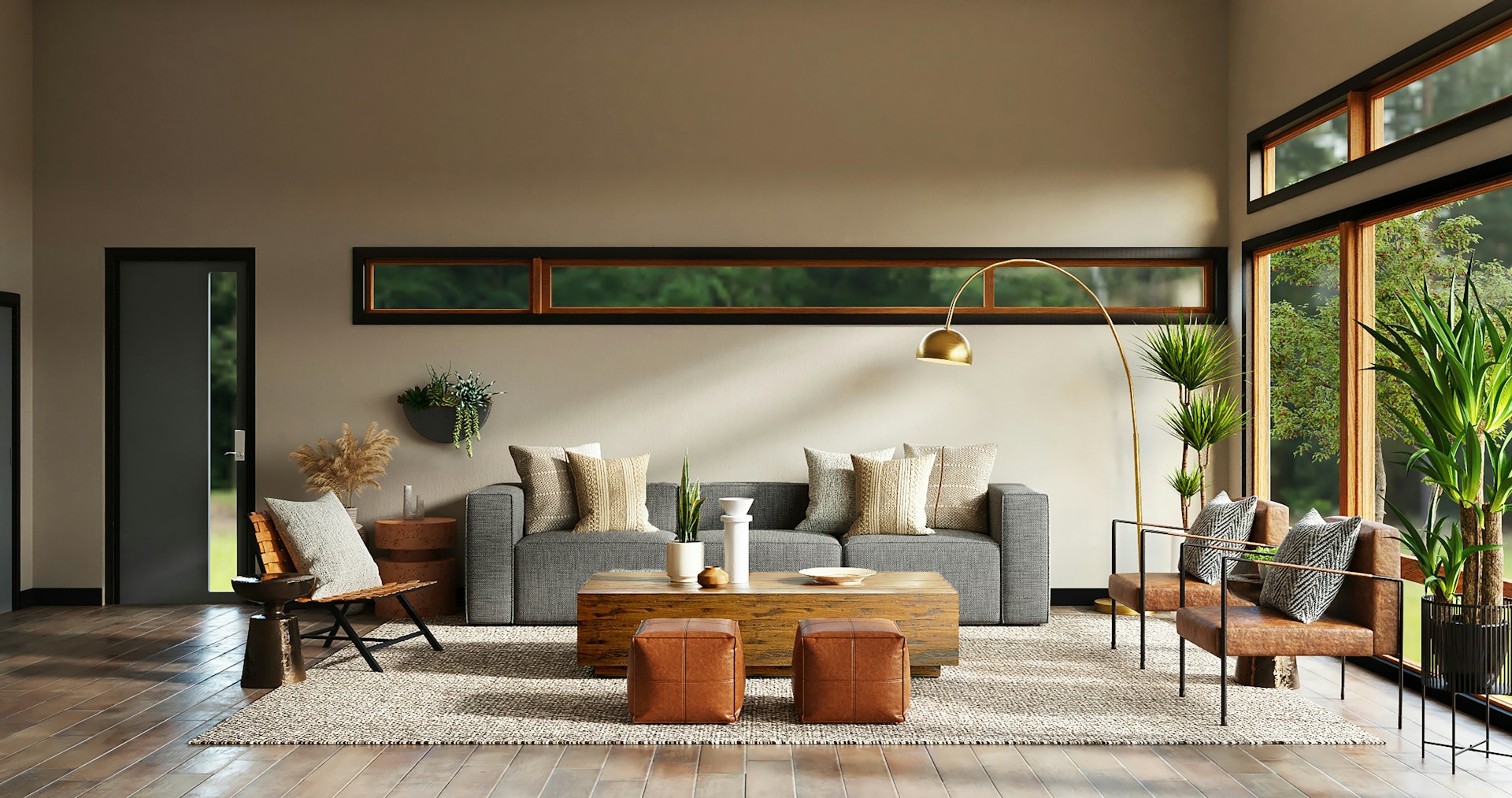
Introduction
Welcome to the captivating world of Interior Architecture and Design. This field is a unique blend of creativity and technical knowledge, aimed at transforming indoor spaces into functional and aesthetically pleasing environments.
What is Interior Architecture and Design?
Interior Architecture and Design is a discipline that explores the art and science of designing and furnishing interior spaces. It's not just about aesthetics; it also involves understanding how different spaces function and how people interact with them.
Why Study Interior Architecture and Design?
Studying Interior Architecture and Design offers multiple benefits:
Creativity and Innovation: The field allows you to express your creativity while solving real-world design problems.
Diverse Opportunities: From residential projects to corporate offices and public spaces, the opportunities are endless.
Impactful Work: Good interior design can significantly improve people's lives, making spaces more comfortable, functional, and enjoyable.
What's it like to study Interior Architecture and Design?
Studying Interior Architecture and Design typically involves learning about color theory, materials, lighting, spatial planning, and building codes. It also includes practical training in using design software and creating architectural plans.
What can you do with an Interior Architecture and Design degree?
A degree in Interior Architecture and Design can lead to a wide array of exciting career opportunities. Here are some potential roles:
Interior Designer: They work with clients to create aesthetically pleasing interior environments. This involves choosing color schemes, furniture, flooring, lighting and other decorative items.
Space Planner: They use their expertise to plan and organise spaces in the most efficient way possible, considering factors like workflow, safety, and convenience.
Furniture Designer: They design and create furniture that's not only functional and comfortable but also aesthetically pleasing.
Exhibition Designer: They design displays, stands and panels which are used at exhibition displays.
Retail Window Display Designer: They design and arrange merchandise displays in windows or showcases to attract customers.
Lighting Designer: They work with different kinds of lighting to enhance the mood, look and functionality of a space.
Kitchen and Bath Designer: They specialise in designing kitchens and bathrooms in residential properties.
Sustainable Designer: They use strategies to improve energy and water efficiencies and indoor air quality, and they specify environmentally preferable products, such as bamboo and cork for floors.
Each of these roles requires a unique blend of creativity, technical knowledge, and understanding of human behavior. As you progress in your career, you may have the opportunity to specialise in a particular area of interior architecture and design, such as sustainable design or historic preservation.
Professional bodies for Interior Architecture and Design
Key professional bodies in this field include the International Interior Design Association (IIDA), American Society of Interior Designers (ASID), and British Institute of Interior Design (BIID). These organisations offer resources, networking opportunities, and professional development for designers.
Careers for Interior Architecture and Design graduates
Graduates can pursue careers in various areas such as Residential Interior Design, Commercial Interior Design, Sustainable Design, or Universal Design. They may work independently or be part of larger architectural or design firms.
Skills that Interior Architecture and Design students need
Students in this field need to have a good aesthetic sense, creativity, and strong technical skills. They should also have good communication and project management abilities, as well as a keen attention to detail.
Typical degree titles that are Interior Architecture and Design Focused
Degree titles in this field may include Bachelor of Arts in Interior Architecture, Bachelor of Science in Interior Design, Master of Fine Arts in Interior Design, or Doctor of Philosophy in Architecture and Design. Some programs may offer specialisations in areas like Sustainable Design, Lighting Design, or Exhibit Design.