Studying Manufacturing and Production Engineering
Welcome to the exciting field of Manufacturing and Production Engineering, a discipline that drives the creation of products we use in our daily lives. This area of study is ideal for those who enjoy problem-solving, creativity, and working with cutting-edge technology.
ITER Education
Introduction
Welcome to the exciting field of Manufacturing and Production Engineering, a discipline that drives the creation of products we use in our daily lives. This area of study is ideal for those who enjoy problem-solving, creativity, and working with cutting-edge technology.
What is Manufacturing and Production Engineering?
Manufacturing and Production Engineering is a specialised branch of engineering that focuses on understanding and applying efficient production processes in manufacturing industries. It involves designing, implementing, monitoring, and optimising production methodologies to ensure effective and efficient manufacturing.
Why study Manufacturing and Production Engineering?
Here are some compelling reasons:
Practical Impact: The work done by manufacturing and production engineers have tangible outcomes, contributing directly to the creation of products.
High Demand: With the rise of automation and Industry 4.0, there's a growing demand for professionals in this field.
Versatility: The skills acquired can be applied across many sectors, from automotive to electronics, pharmaceuticals, and more.
What's it like to study Manufacturing and Production Engineering?
Studying this field involves learning about materials science, manufacturing processes, industrial design, and quality control. It often includes practical workshops, laboratory sessions, and industry internships to provide hands-on experience.
What can you do with a Manufacturing and Production Engineering degree?
A degree in Manufacturing and Production Engineering can lead to a variety of fascinating and rewarding career paths. Here are some potential roles:
Manufacturing Engineer: They design, implement, monitor, and maintain manufacturing processes and work instructions. They also ensure the manufacturing process operates as per the projected cost and time.
Production Engineer: Production Engineers oversee the production process, coordinating with different teams to ensure product output meets the quality and efficiency standards.
Process Engineer: They develop, configure, and optimise industrial processes from inception through to start-up and certification. They assess processes, take measurements and interpret data, among other duties.
Quality Control Engineer: These engineers monitor the quality of incoming and outgoing products or materials for a company. They also develop, implement, and improve quality control systems.
Project Manager: Project Managers plan and oversee projects to ensure they are completed in a timely fashion and within budget. In manufacturing and production engineering, this might involve the coordination of design, manufacturing, and distribution processes.
Supply Chain Analyst: They help manage and streamline supply chain processes. This includes monitoring data from various sources to improve efficiency and reduce costs.
Industrial Designer: Industrial Designers develop the concepts for manufactured products, such as cars, home appliances, and toys. They combine art, business, and engineering to make products that people use every day.
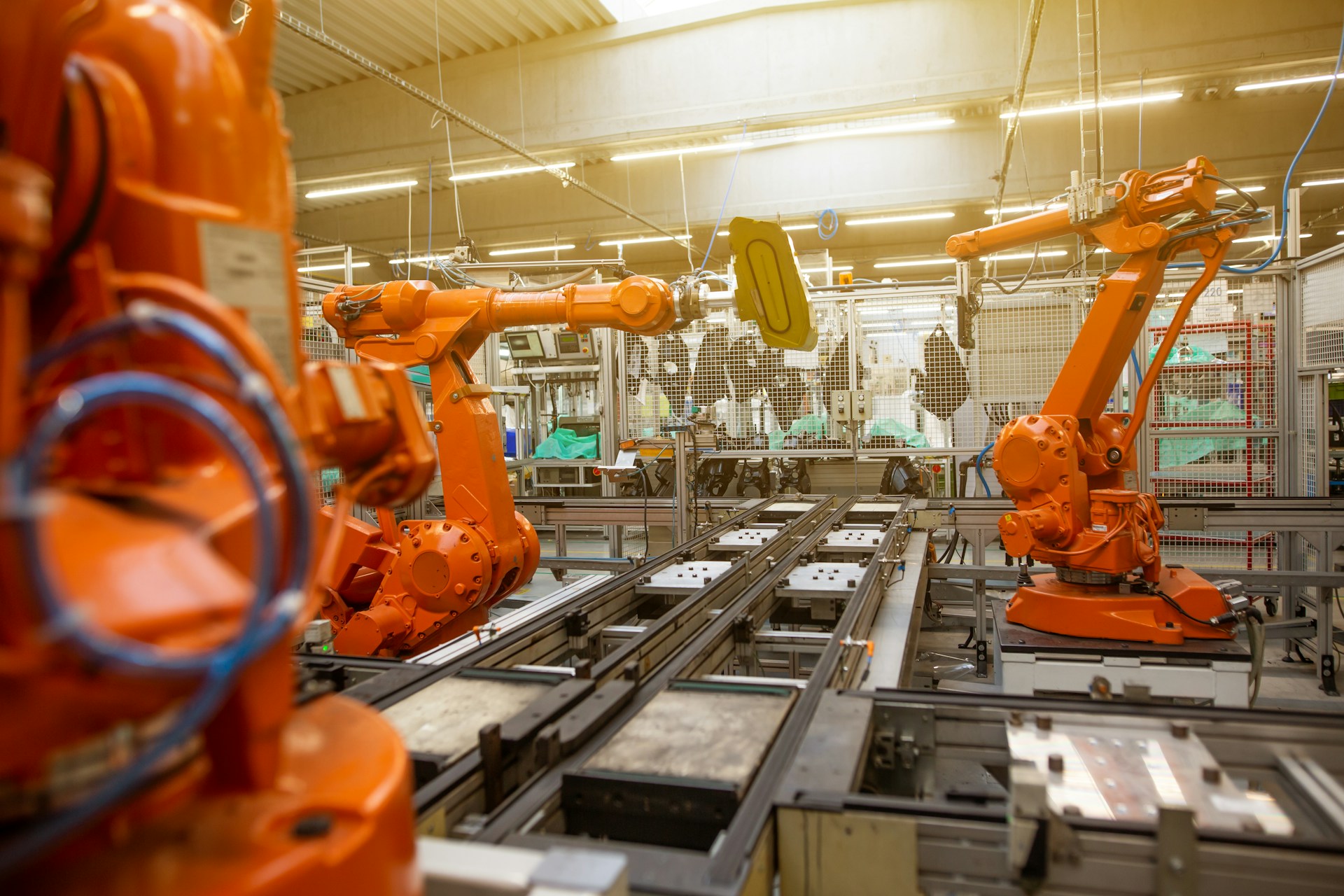
Each of these roles requires a strong understanding of manufacturing and production principles, excellent problem-solving skills, and a keen eye for efficiency and detail. As you progress in your career, you may have the opportunity to specialise in a particular area of manufacturing and production engineering, such as automation, robotics, or lean manufacturing.
Professional bodies for Manufacturing and Production Engineering
Key professional bodies include the Institution of Engineering and Technology (IET), American Society of Mechanical Engineers (ASME), and Institute of Industrial and Systems Engineers (IISE). These organisations provide resources, networking opportunities, and professional development.
Careers for Manufacturing and Production Engineering graduates
Graduates can pursue careers in various sectors such as Automotive, Aerospace, Pharmaceuticals, Electronics, and Energy. They could work in roles such as Production Manager, Quality Assurance Engineer, Industrial Engineer, or Supply Chain Analyst.
Skills that Manufacturing and Production Engineering Students Need
Students need to develop strong analytical skills, problem-solving abilities, creativity, and a good understanding of mathematical and scientific principles. They should also be familiar with computer-aided design (CAD) software, and have a keen interest in technology and innovation.
Typical degree titles that are Manufacturing and Production Engineering focused
Degree titles might include Bachelor of Engineering in Manufacturing Engineering, Master of Science in Production Engineering, or Doctorate in Industrial Engineering. Some programs may offer specialisations in areas like Robotics, Automation, or Lean Manufacturing.