
Studying Physiotherapy
Welcome to the rewarding world of Physiotherapy, a field dedicated to improving people's movement and quality of life. If you have a passion for helping others and an interest in healthcare, studying Physiotherapy could be an excellent choice for you.
ITER Education
Introduction
Welcome to the rewarding world of Physiotherapy, a field dedicated to improving people's movement and quality of life. If you have a passion for helping others and an interest in healthcare, studying Physiotherapy could be an excellent choice for you.
What is Physiotherapy?
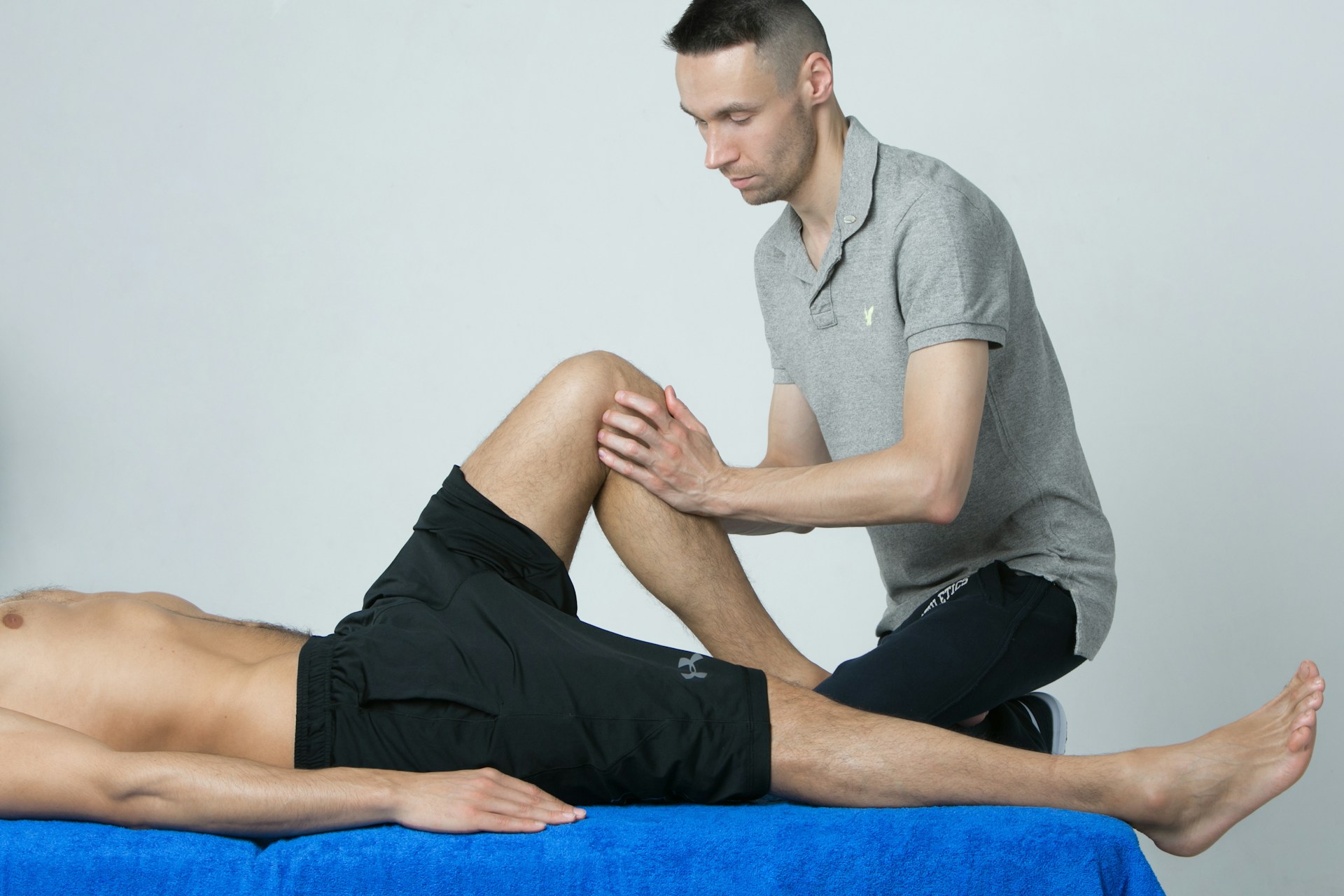
Physiotherapy, also known as physical therapy, is a healthcare profession that helps people affected by injury, illness, or disability through movement and exercise, manual therapy, education, and advice. It plays a crucial role in pain management and rehabilitation, helping people of all ages maintain health and fitness, recover from injury, and prevent disease.
Why Study Physiotherapy?
Here are some compelling reasons:
Impact: Physiotherapists make a real difference in people's lives, helping them regain independence and enjoy a better quality of life.
Job Prospects: There is a high demand for physiotherapists worldwide, offering excellent job security.
Variety: The field offers a wide range of specialisations, from sports physiotherapy to geriatric physiotherapy.
What's it like to study Physiotherapy?
Studying Physiotherapy involves learning about human anatomy, physiology, and the principles of therapeutic exercise. It also includes practical training, often through clinical placements, where students gain hands-on experience treating patients.
What can you do with a Physiotherapy degree?
A degree in Physiotherapy can open the door to a range of rewarding careers where you can help people improve their movement and quality of life. Here are some potential roles:
Physiotherapist: Physiotherapists work with patients to identify and improve their movement and function, which may have been compromised due to aging, injury, disease or environmental factors.
Sports Physiotherapist: Sports Physiotherapists specialise in treating athletes. They help prevent injuries, provide rehabilitation after injuries, and offer advice to enhance athletic performance.
Pediatric Physiotherapist: Pediatric Physiotherapists work with children from infancy through adolescence, helping them develop motor skills, recover from injuries, and manage physical disabilities or conditions.
Geriatric Physiotherapist: Geriatric Physiotherapists specialise in working with older adults. They help manage conditions that affect people as they age, such as arthritis, osteoporosis, or Alzheimer's disease.
Neurological Physiotherapist: Neurological Physiotherapists work with patients who have movement and function difficulties due to problems with their nervous system, such as stroke, multiple sclerosis, or Parkinson's disease.
Researcher or Educator: Some Physiotherapy graduates pursue careers in academia or research, contributing to the advancement of the profession through teaching or conducting studies.
Each of these roles requires a deep understanding of human anatomy and movement, excellent problem-solving skills, and a strong desire to help others. As you progress in your career, you may have the opportunity to specialise further or move into leadership roles.
Professional bodies for Physiotherapy
Key professional bodies include the World Confederation for Physical Therapy (WCPT), American Physical Therapy Association (APTA), and Chartered Society of Physiotherapy (CSP). These organisations provide resources, professional development opportunities, and advocacy for physiotherapists.
Careers for Physiotherapy graduates
Physiotherapy graduates can work in a variety of settings, including hospitals, private practices, community health centers, and sports facilities. They might specialise in areas like sports physiotherapy, pediatric physiotherapy, or neurophysiotherapy.
Skills that Physiotherapy Students need
Physiotherapy students need to develop strong clinical skills, excellent communication skills, and a deep understanding of human movement and rehabilitation principles. They should also have empathy, patience, and the ability to work well with people of all ages and backgrounds.
Typical degree titles that are Physiotherapy focused
Degree titles might include Bachelor of Science in Physiotherapy, Master of Science in Physiotherapy, or Doctor of Physical Therapy. Some programs may offer specialised tracks in areas like sports physiotherapy, pediatric physiotherapy, or neurophysiotherapy.