Studying Robotics and Robot Engineering
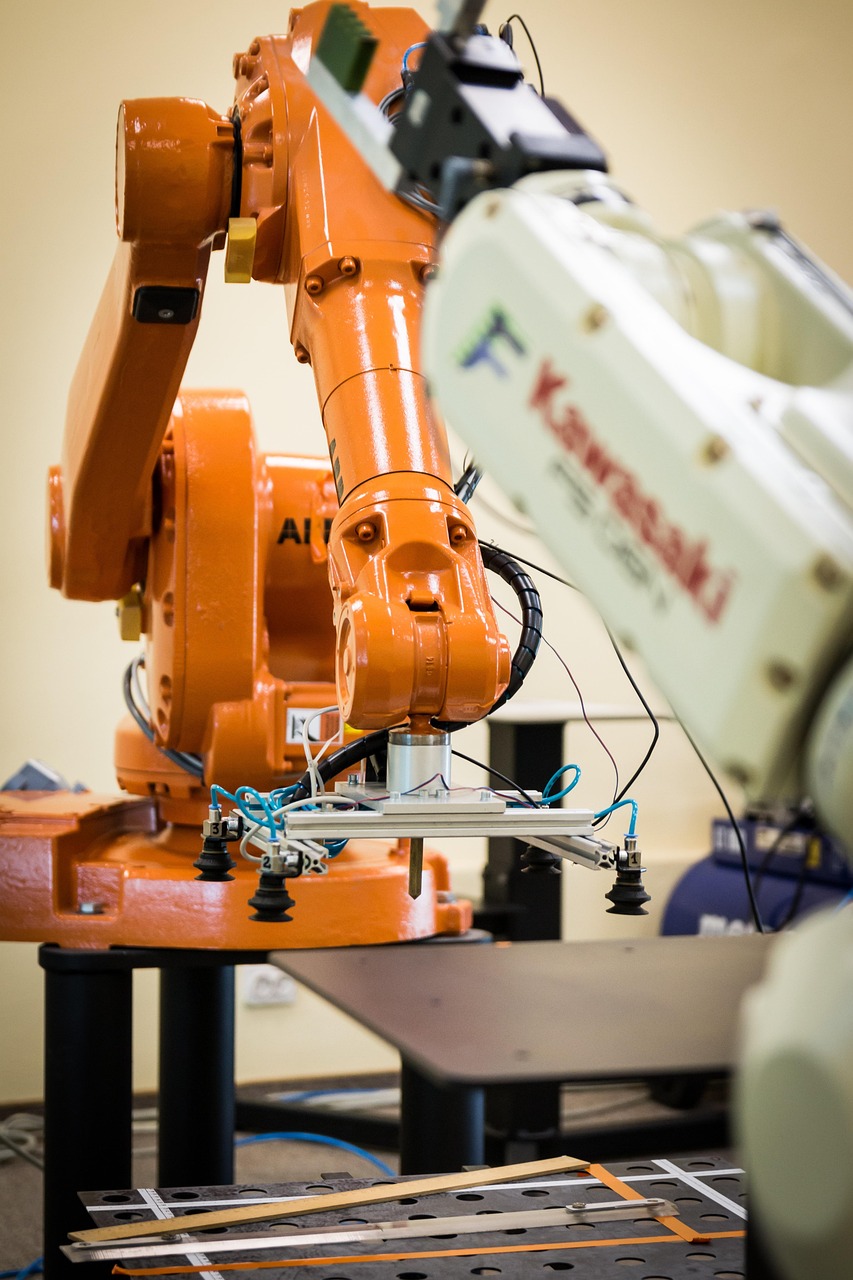
Welcome to the fascinating world of Robotics and Robot Engineering, fields that blend engineering, computer science, and technology to design, construct, and operate robots.
ITER Education
Introduction
Welcome to the fascinating world of Robotics and Robot Engineering, fields that blend engineering, computer science, and technology to design, construct, and operate robots. If you're interested in creating machines that can interact with the physical world, studying Robotics and Robot Engineering could be an excellent choice for you.
What is Robotics and Robot Engineering?
Robotics is the study of robots - machines capable of carrying out complex actions automatically. Robot Engineering is a branch of engineering focused on the design and manufacture of robots and their component parts.
Why study Robotics and Robot Engineering?
Here are some compelling reasons:
Innovation: As technology advances, the field of robotics continues to grow and evolve, offering exciting opportunities for innovation.
Job Prospects: The demand for skilled robotic engineers is high and expected to increase as more industries use robotics technologies.
Interdisciplinary: It combines elements of mechanical engineering, electrical engineering, and computer science, providing a well-rounded technological education.
What's it like to study Robotics and Robot Engineering?
Studying Robotics and Robot Engineering involves learning about various aspects of robot design, including mechanical and electrical engineering principles, computer programming, and control systems. Practical hands-on projects are a key part of the curriculum.
What can you do with a Robotics and Robot Engineering degree?
A degree in Robotics and Robot Engineering can lead to a wide range of careers where you'll design, implement, and manage robotic systems. Here are some potential roles:
Robotics Engineer: Robotics engineers design, build, and test robots. They work on the software and hardware aspects of robots and ensure they function as intended.
Automation Engineer: Automation engineers design, program, simulate and test automated machinery and processes to complete precise tasks.
Controls Engineer: Controls engineers develop and maintain systems that control and monitor mechanical systems. They often work in product design and processing industries.
Robotics Programmer: Robotics programmers write the instructions or code that directs a robot's actions. They also troubleshoot and debug programs and systems to ensure they operate correctly.
Systems Analyst: Systems analysts examine and improve computer systems for businesses. They assess the effectiveness of technology and look for ways to enhance productivity.
Researcher or Educator: Some Robotics and Robot Engineering graduates pursue careers in academia or research, contributing to the advancement of robotics through teaching or conducting studies.
Each of these roles requires a deep understanding of robotics principles, excellent problem-solving skills, and a strong desire to create and innovate. As you progress in your career, you may have the opportunity to specialise further or move into leadership roles.
Professional bodies for Robotics and Robot Engineering
Key professional bodies include the Institute of Electrical and Electronics Engineers (IEEE), the Robotics Society of America (RSA), and the International Federation of Robotics (IFR). These organisations offer resources, networking opportunities, and set standards for the robotics industry.
Careers for Robotics and Robot Engineering graduates
Graduates can work as robotics engineers, automation engineers, controls engineers, or robotics programmers in industries such as automotive, aerospace, healthcare, and more.
Skills that Robotics and Robot Engineering students need
Students need strong skills in mathematics, science, problem-solving, and critical thinking. They should also have a good understanding of computer programming and mechanical and electrical engineering principles.
Typical degree titles that are Robotics and Robot Engineering focused
Degree titles might include Bachelor of Science in Robotics Engineering, Master of Science in Robotics, or Doctor of Philosophy in Robotics. Some programs may offer specialised tracks in areas like autonomous systems, human-robot interaction, or industrial robotics.