
Article
UK university partners: a working shortlist
Seventeen UK universities ITER students ask about most — cities, campuses, subjects and official links, with campus photographs.
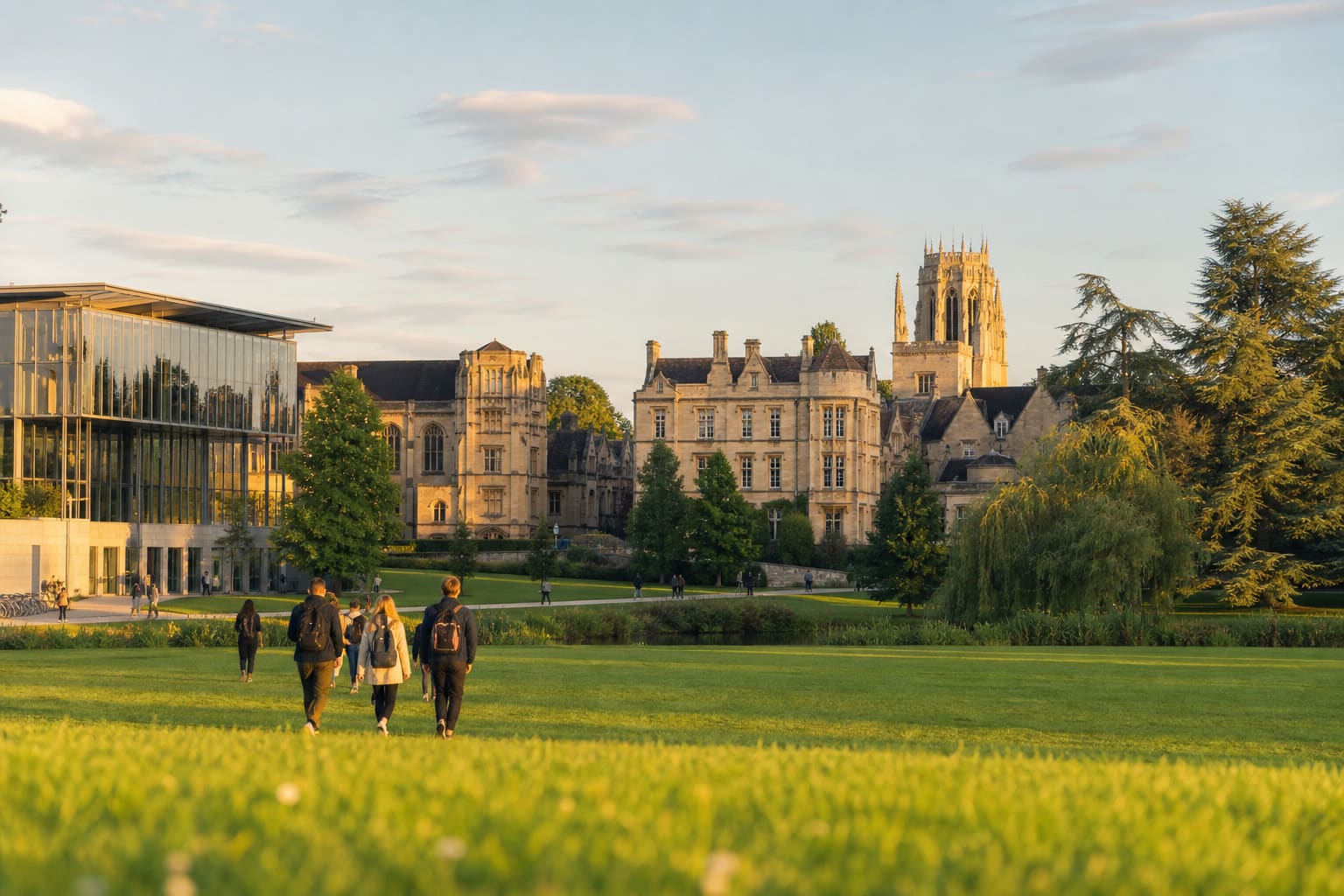
Seventeen UK universities come up again and again when ITER Education students talk about where to go next. They are not a league table. They are a working shortlist — Russell Group civics, plate-glass campus universities, a renamed modern university in Preston, a specialist art school and a specialist law school — so you can compare place, subject and cost before you lock a choice.
Use this with the course finder and the Recommended Programmes quiz. Official pages are linked on each name. Rankings move every year; treat the figures here as a snapshot, not a promise.
How to read the shortlist
City versus campus: Leeds and Liverpool put you in the middle of a city. Essex, Reading, Sussex, Kent and York are parkland campuses with a town or city a short ride away.
Russell Group here means Exeter, Leeds, Liverpool and York. It is a research grouping, not a quality guarantee for every course.
University of Lancashire is the former University of Central Lancashire (UCLan). It is not Lancaster University.
UCA and the University of Law are specialists. A portfolio or a professional pathway matters more than a general undergraduate catalogue.
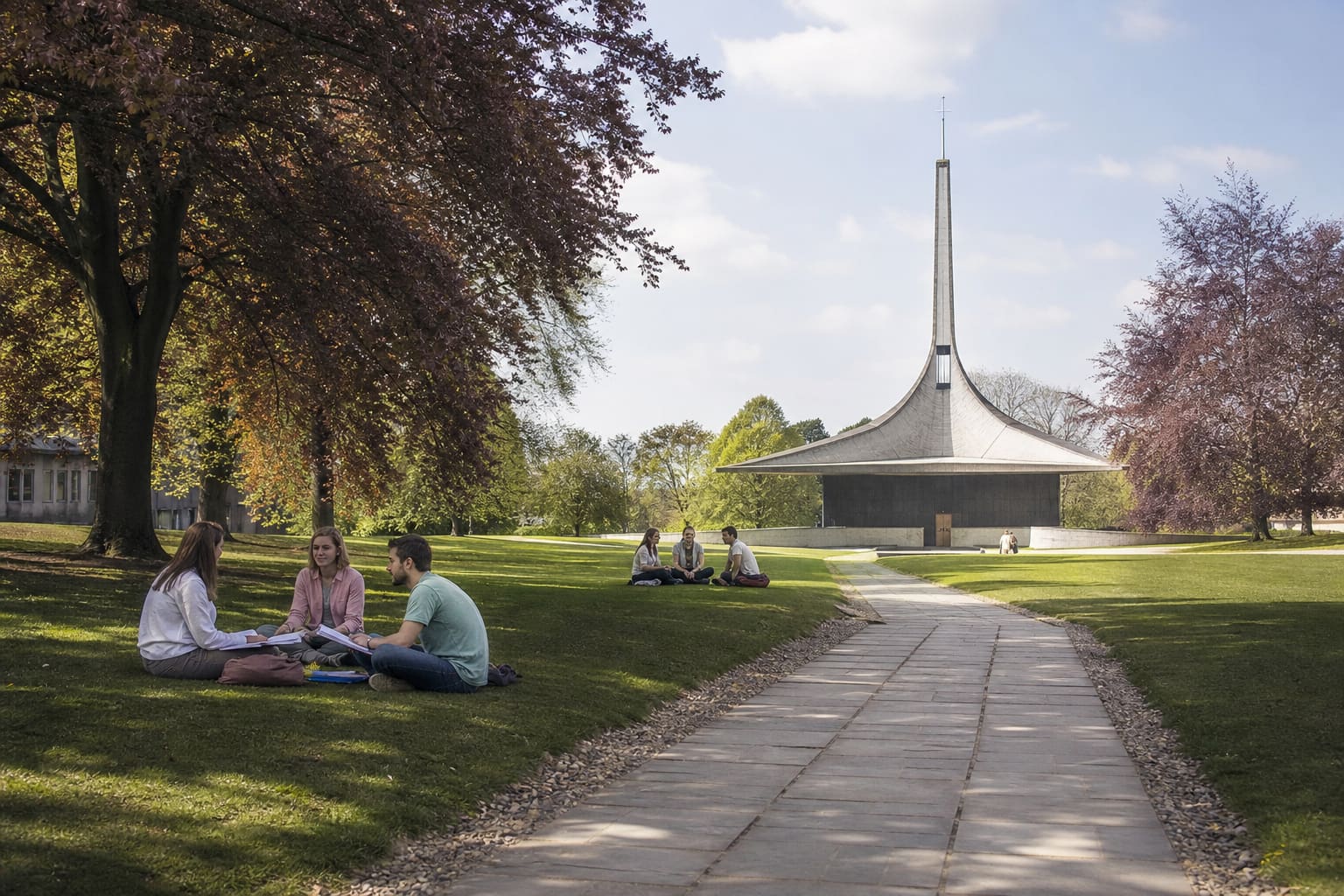
Russell Group civics
If you want a large research university in a real city, start with these four. Offers, English conditions and deposits still sit with the university, not with ITER.
University of Exeter
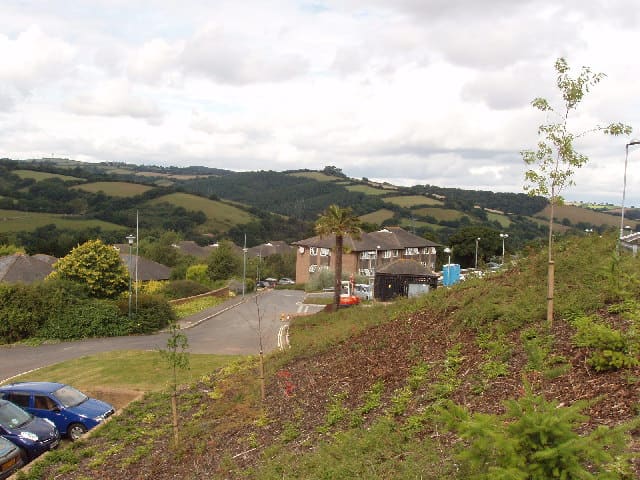
Exeter, Devon — plus Penryn, Cornwall. Founded 1955. A Russell Group university on one of the UK’s most photographed campuses: Streatham, a hillside of gardens and red-brick halls above the city of Exeter. A second campus at Penryn is shared with Falmouth University and specialises in environment, mining and the creative industries. Business, law, international relations and climate science are the usual draws for ITER students.
Russell Group. Streatham is the main undergraduate campus; Penryn is Cornwall.
Devon living costs sit below London; trains to London Paddington take about two hours.
Look at the Business School, Law, Politics and the environment programmes at Penryn.
Official site: www.exeter.ac.uk.
University of Leeds
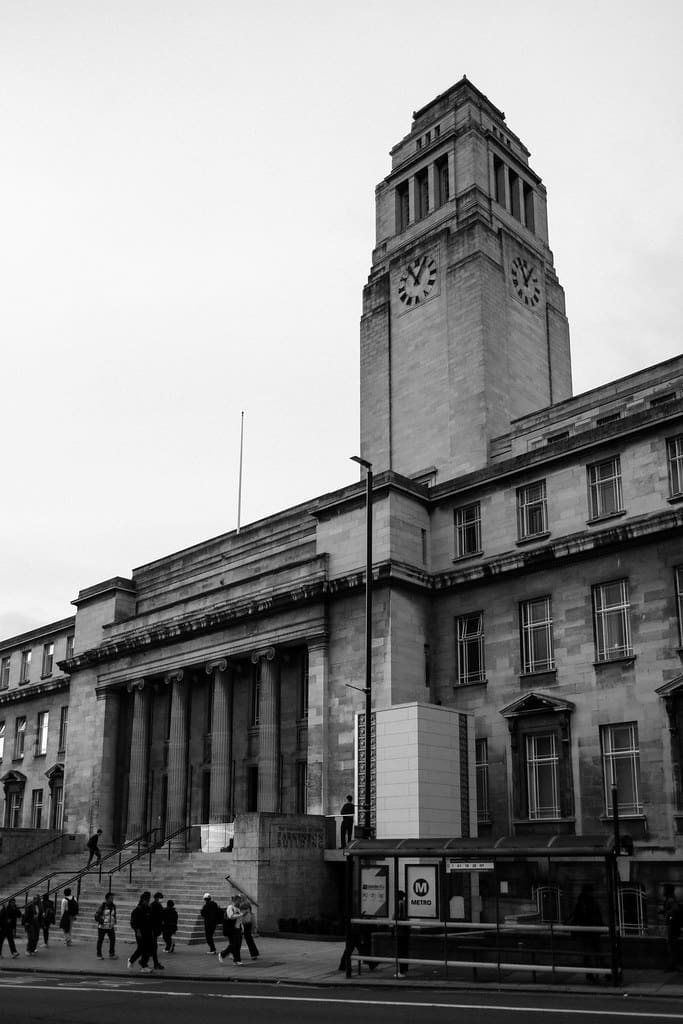
Leeds, West Yorkshire. Founded 1904. A large Russell Group civic university on a single parkland campus beside the city centre. Leeds is one of the UK’s biggest student cities, with a substantial international community. The directory lists it at QS 82 and THE 124 for 2026. Strengths run across business, engineering, medicine, media, law and the humanities. The Parkinson Building tower is the landmark most students recognise.
Russell Group. QS 82 / THE 124 (2026, as recorded on the portal).
Woodhouse / main campus is a short walk from Leeds station.
A first-choice city if you want scale, nightlife and a deep research catalogue.
Official site: www.leeds.ac.uk.
University of Liverpool
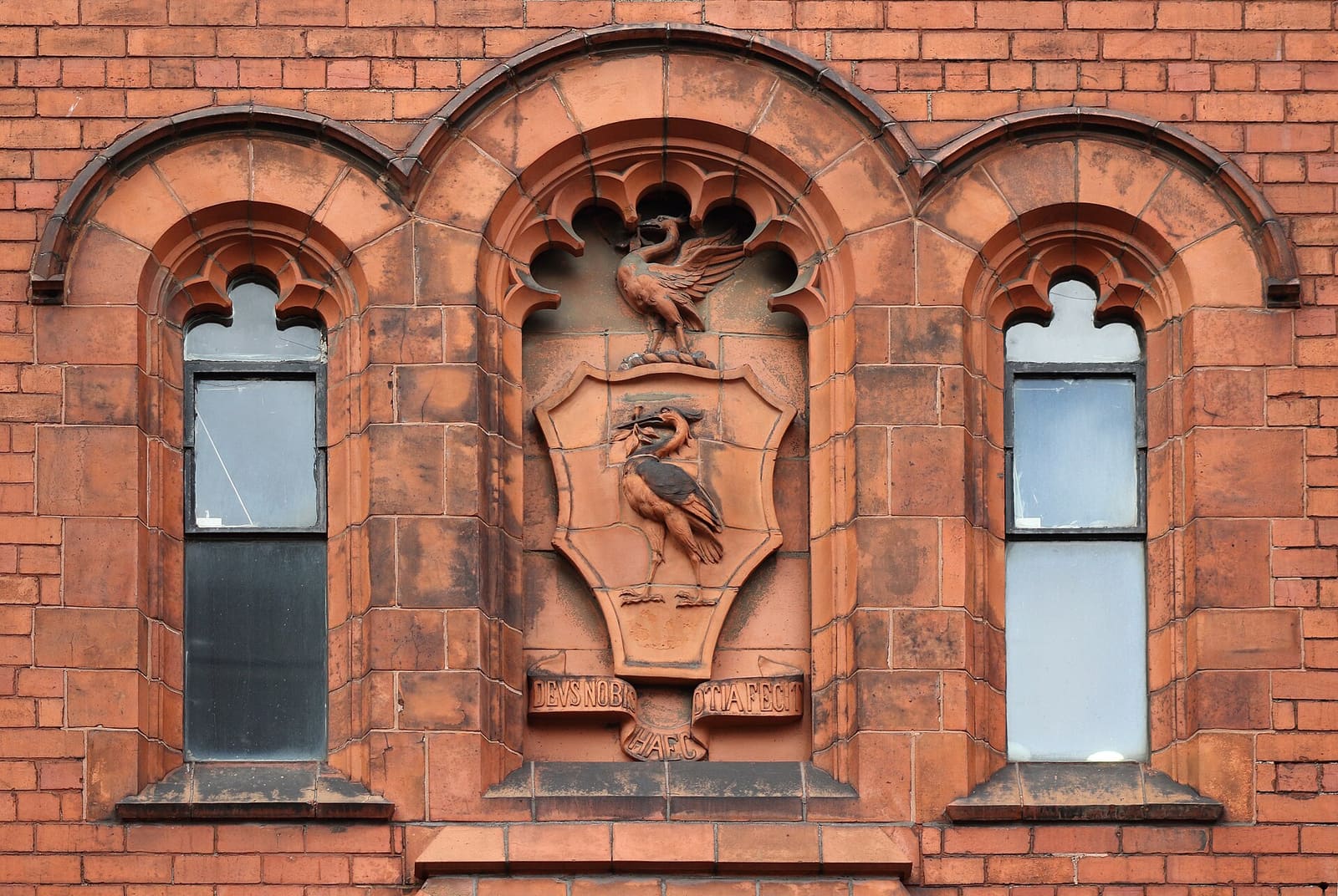
Liverpool. Founded 1881. One of the original red-brick civic universities and a Russell Group member. The campus sits in the Georgian quarter behind the city centre, with the Victoria Building as its landmark. Liverpool has a large international student population, a UNESCO-listed waterfront, and teaching that is particularly strong in health, veterinary science, architecture, engineering and the humanities.
Russell Group. City campus, not a distant parkland site.
Look at health, veterinary science, architecture and engineering.
A compact, walkable city with a very visible student culture.
Official site: www.liverpool.ac.uk.
University of York
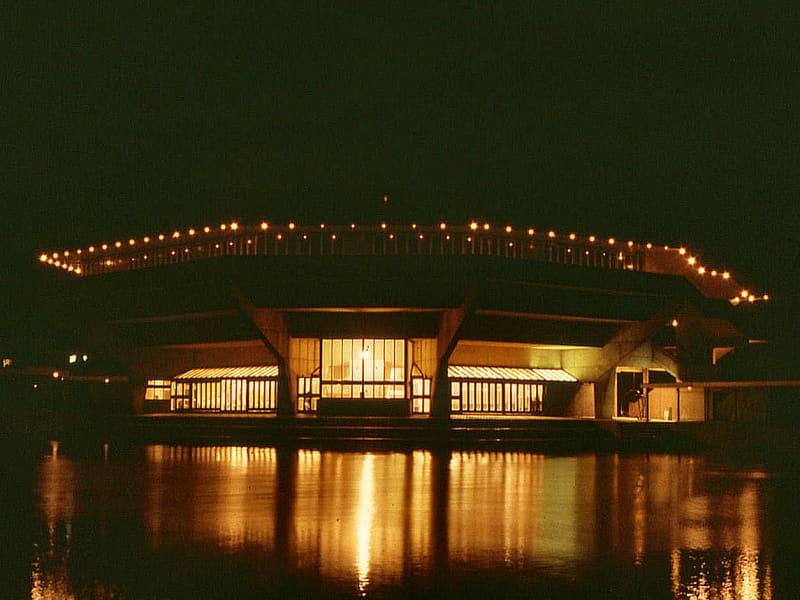
York — Heslington West and East. Founded 1963. A Russell Group collegiate university on a lakeside campus at Heslington, a short bus ride from the medieval city. Colleges are social and residential, not academic faculties. York is consistently strong in English, history, archaeology, psychology, computer science and the sciences; the city itself is one of the most visited in England, which matters for part-time work and for how the year feels. Central Hall on the lake is the photograph every prospectus uses.
Russell Group. Collegiate: you join a college as well as a department.
Heslington West is the original lake campus; East is the newer science and law quarter.
A small, beautiful city — quieter than Leeds, more compact than Manchester.
Official site: www.york.ac.uk.
Campus and city universities
University of Bradford
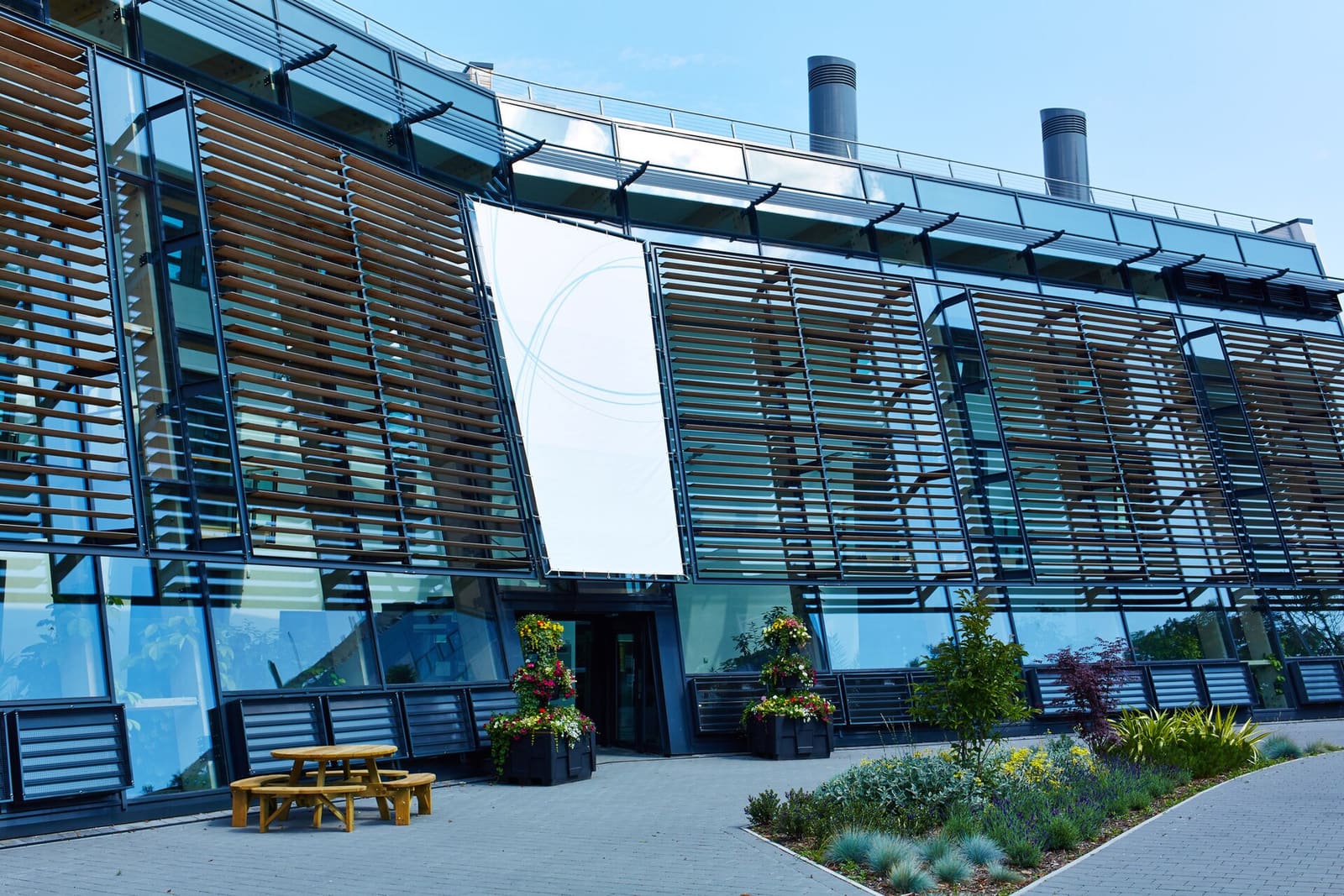
Bradford, West Yorkshire. Founded 1966 (roots 1832). A city-centre campus university in Bradford — UK City of Culture 2025 — with teaching that grew out of the town’s Mechanics Institute. Strengths sit in health, pharmacy, engineering, management and peace studies. Living costs in Bradford are typically lower than in London or the big southern cities, which matters for a three-year degree.
City campus: teaching, libraries and most halls sit in one walkable site.
Known for pharmacy, optometry, engineering and peace studies.
Useful if you want a northern English city with a large South Asian community and good rail links to Leeds and Manchester.
Official site: www.bradford.ac.uk.
University of Essex
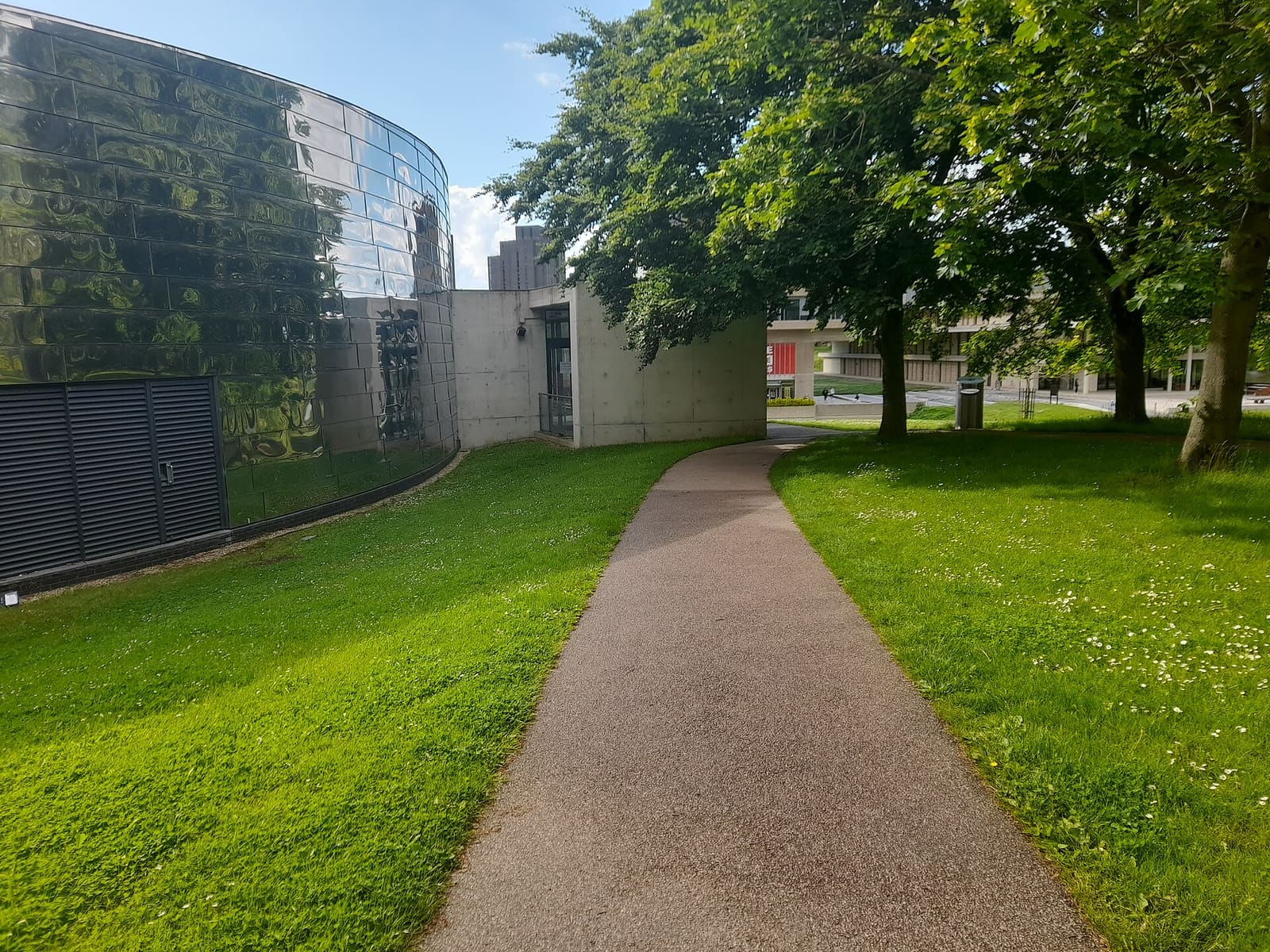
Colchester (also Loughton; Southend closing 2026). Founded 1964 / royal charter 1965. Essex is a plate-glass university set in Wivenhoe Park outside Colchester. It built its name in the social sciences — government, economics, sociology and human rights — and still recruits a large international postgraduate community. The main campus is parkland rather than city-centre.
Colchester campus is the one most international students mean when they say Essex.
Strong in government, economics, data science and human rights.
Loughton hosts East 15 Acting School; the Southend campus is scheduled to close in 2026.
Official site: www.essex.ac.uk.
University of Huddersfield
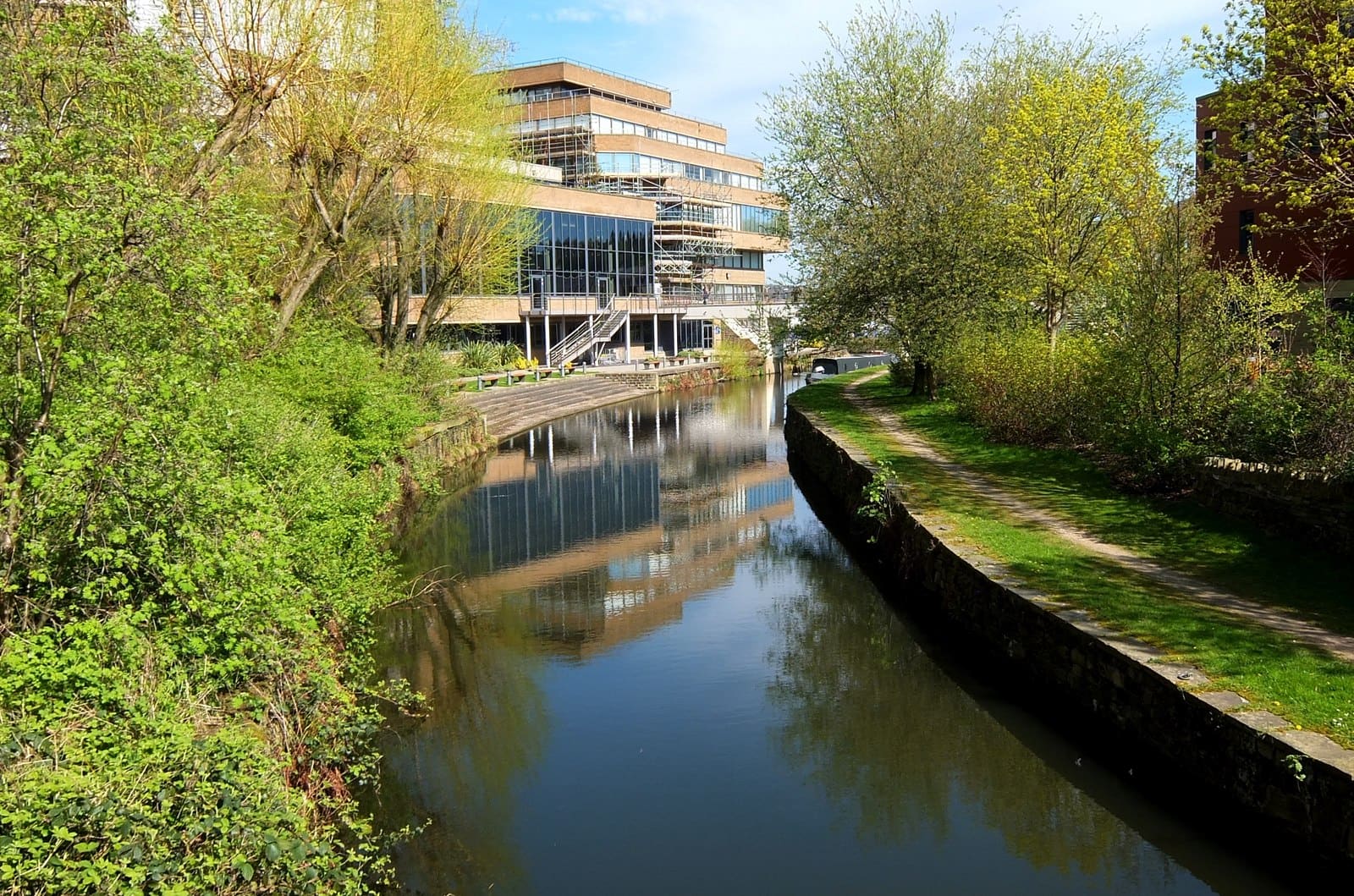
Huddersfield, West Yorkshire. Founded University status 1992 (roots 1825). Huddersfield is a compact town-centre campus beside the canal, with teaching that grew out of a nineteenth-century mechanics institute. It has a strong record in teaching quality and a practical bent — health, engineering, music technology, business and education. Rents in Huddersfield are among the lower ones in the north of England, with Leeds and Manchester an hour away.
Town-centre campus: most teaching is a short walk from the station.
Look at health, engineering, music and business.
A practical choice if you want lower living costs than Leeds itself, with the city still in reach.
Official site: www.hud.ac.uk.
University of Kent
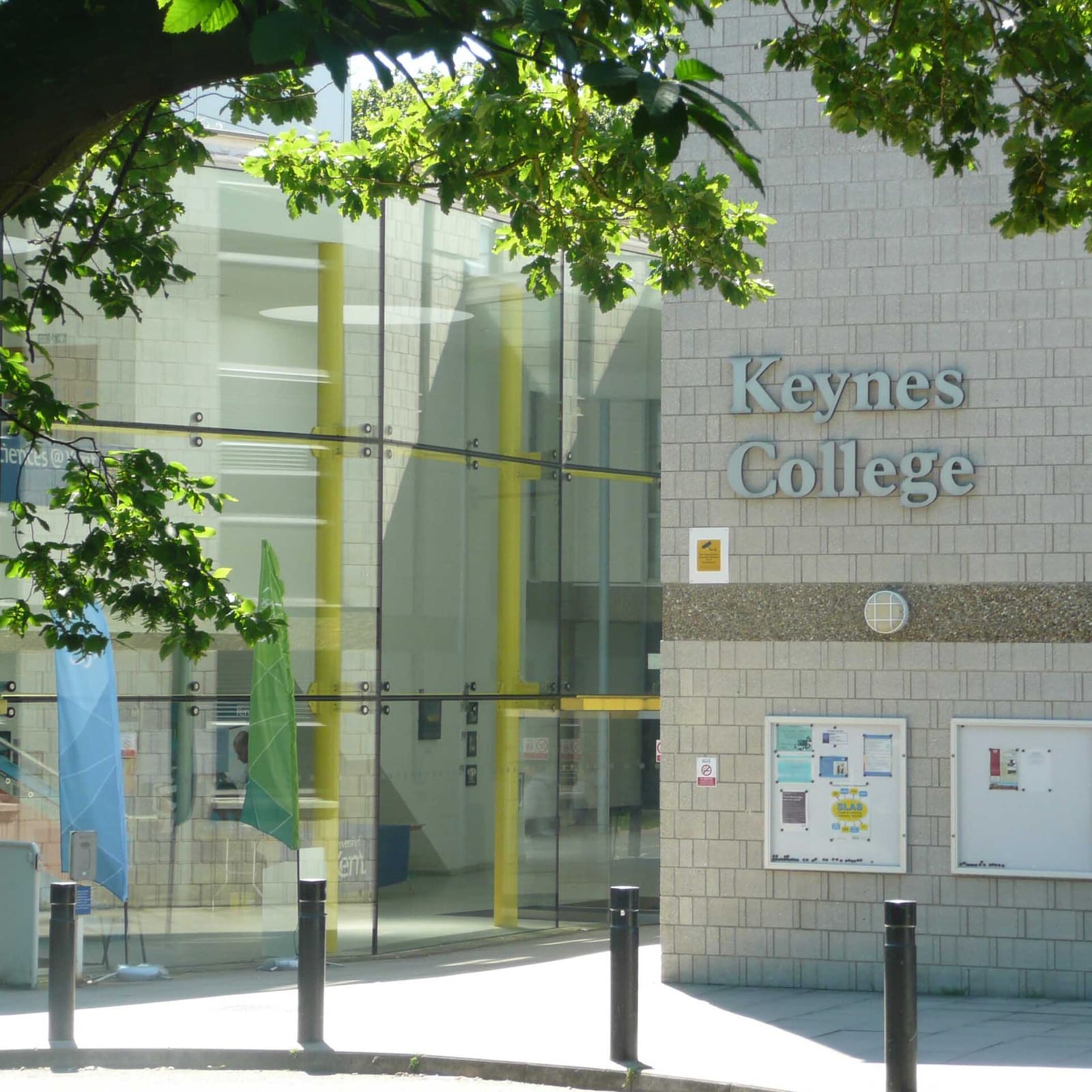
Canterbury — plus Medway. Founded 1965. Kent sits on a hill above the cathedral city of Canterbury, with a second campus at Medway. It has long described itself as the UK’s European university — Brussels and Paris are closer than they feel from the north of England — and it is strong in law, politics, journalism, psychology and the humanities. Canterbury is a small, walkable city; London St Pancras is about an hour by high-speed train.
Main campus: parkland above Canterbury. Medway is the second site.
Law, politics, journalism and psychology are the usual ITER matches.
Useful if you want a campus university with a fast train into London.
Official site: www.kent.ac.uk.
University of Lancashire
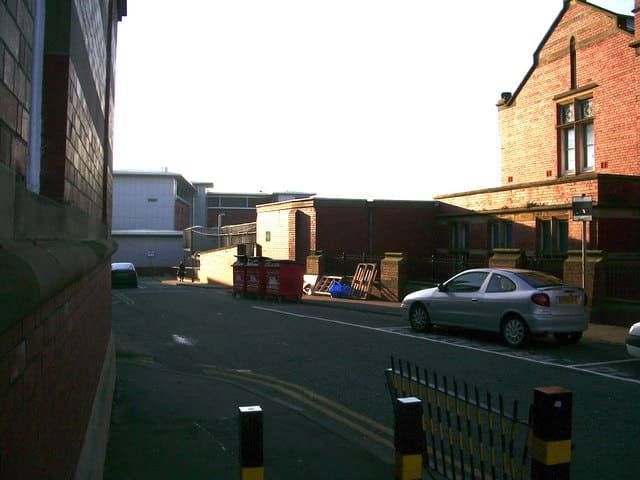
Preston — plus Burnley and Westlakes. Founded University status 1992 (roots 1828); renamed 2025. Until September 2025 this was the University of Central Lancashire (UCLan). The Office for Students approved the shorter name; it is not Lancaster University. The main campus is in Preston city centre, with additional sites in Burnley and at Westlakes in Cumbria. It is one of the larger modern universities, with a wide undergraduate catalogue and a long history of recruiting international students.
Same institution as UCLan — check offer letters and CAS for the current legal name.
City-centre Preston campus; not to be confused with Lancaster University.
Broad catalogue: health, business, engineering, journalism and the arts.
Official site: www.lancashire.ac.uk.
University of Leicester
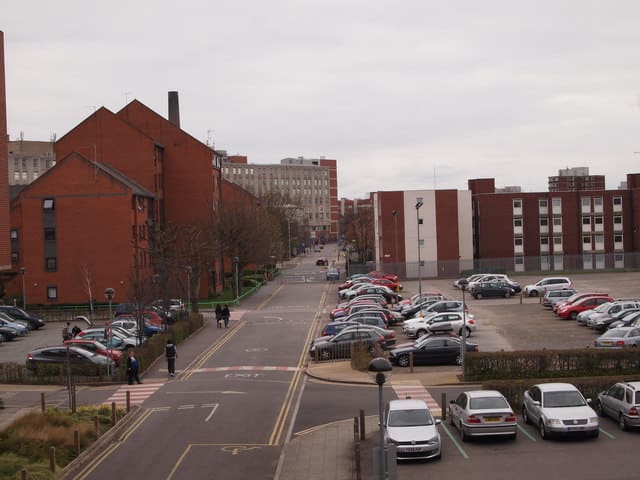
Leicester. Founded University status 1957 (college 1921). Leicester is a compact campus university on the edge of the city, famous for two things students actually mention: the discovery of Richard III under a car park, and a serious space-research group. Medicine, genetics, museum studies, media and business sit alongside a large international master’s intake. The city itself is one of the most diverse in the UK and cheaper than the nearby East Midlands alternatives.
Campus is a 20-minute walk from Leicester station.
Known for genetics, space research, museum studies and medicine.
A mid-sized city: easier to settle into than Manchester or London.
Official site: le.ac.uk.
University of Reading
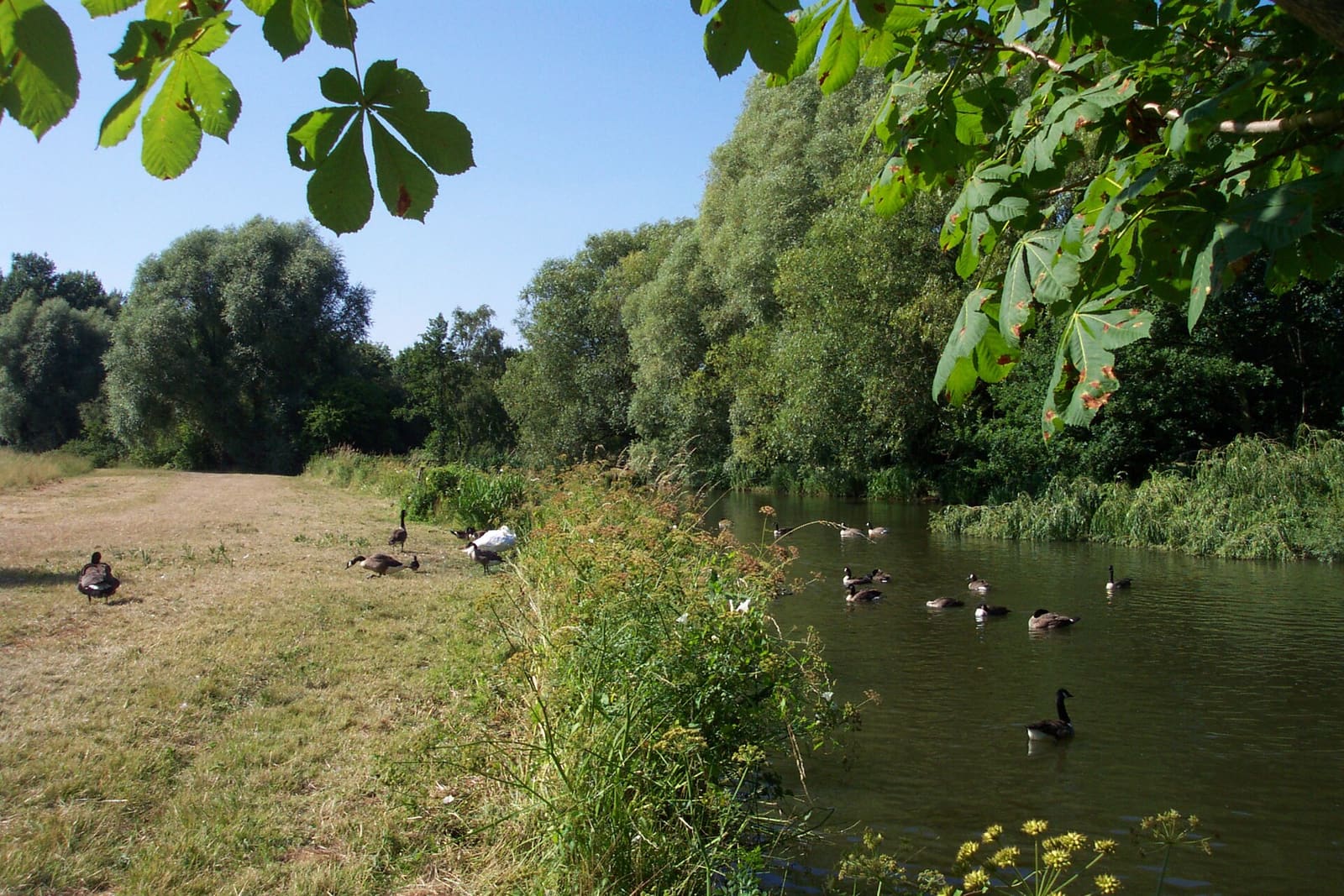
Reading, Berkshire. Founded University status 1926 (roots 1892). Reading’s main home is Whiteknights, a 130-hectare parkland campus a short bus ride from the station. The university is unusually strong in meteorology, agriculture, food science and real estate — subjects most civic universities do not offer at the same depth — alongside a well-regarded Henley Business School. London Paddington is about 25 minutes by train, so it functions as a campus university with a capital-city option at the weekend.
Whiteknights is the main campus; London Road holds the Institute of Education.
Distinctive strengths: meteorology, agriculture, food and Henley Business School.
Useful if you want parkland living with a fast train into London.
Official site: www.reading.ac.uk.
University of Portsmouth
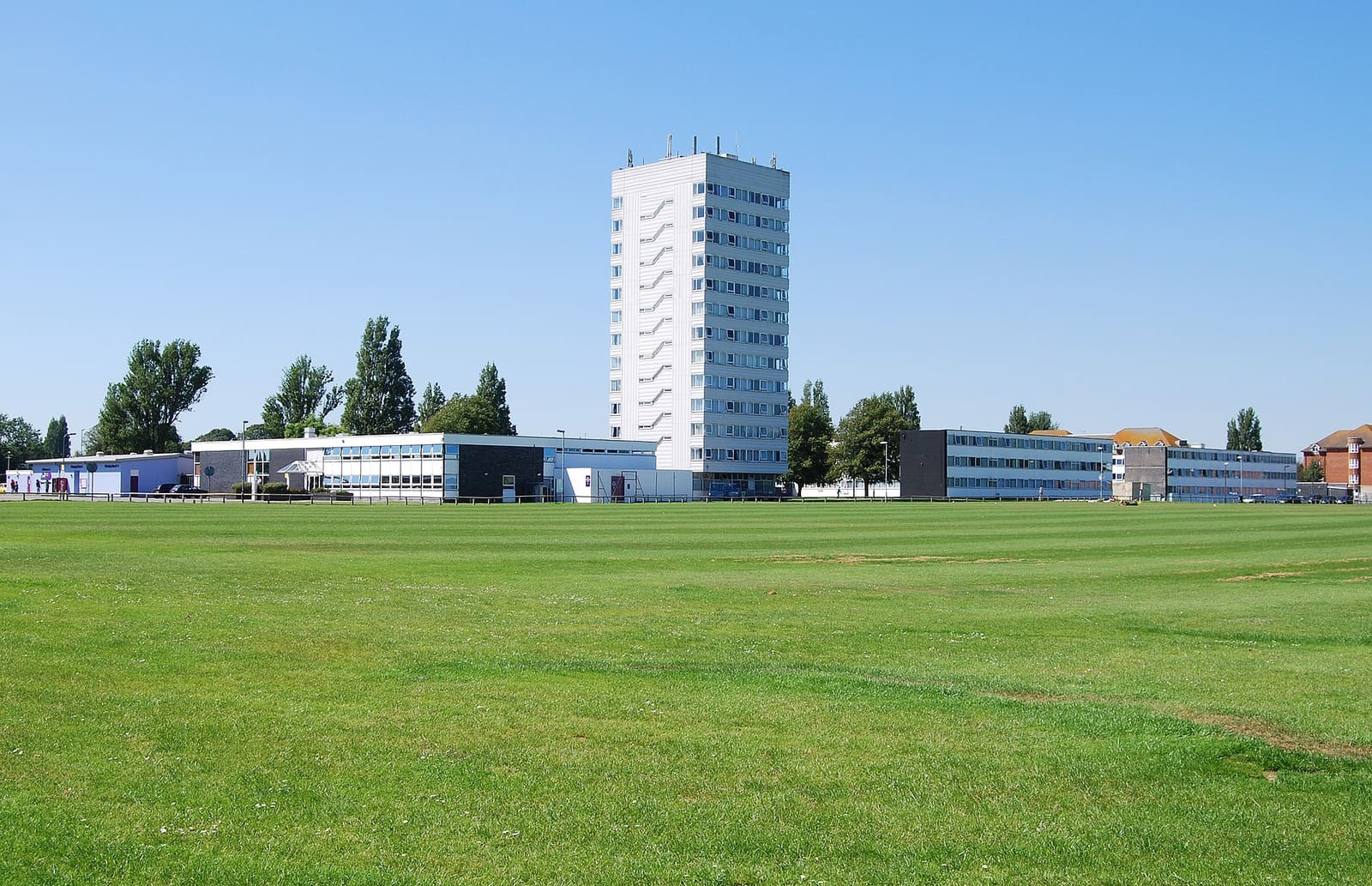
Portsmouth, Hampshire. Founded University status 1992 (roots 1869). A coastal civic university on the south coast, with most teaching in the city centre a few streets from the harbour. Portsmouth is a compact island city — you can walk most of it — and the university is known for architecture, criminology, languages, engineering and earth sciences. If you want sea air and a smaller city than Southampton or Brighton, this is the usual comparison.
City-centre campus on Portsea Island.
Architecture, criminology, languages and engineering are the common matches.
London Waterloo is about 90 minutes; ferries run to the Isle of Wight and France.
Official site: www.port.ac.uk.
University of Salford
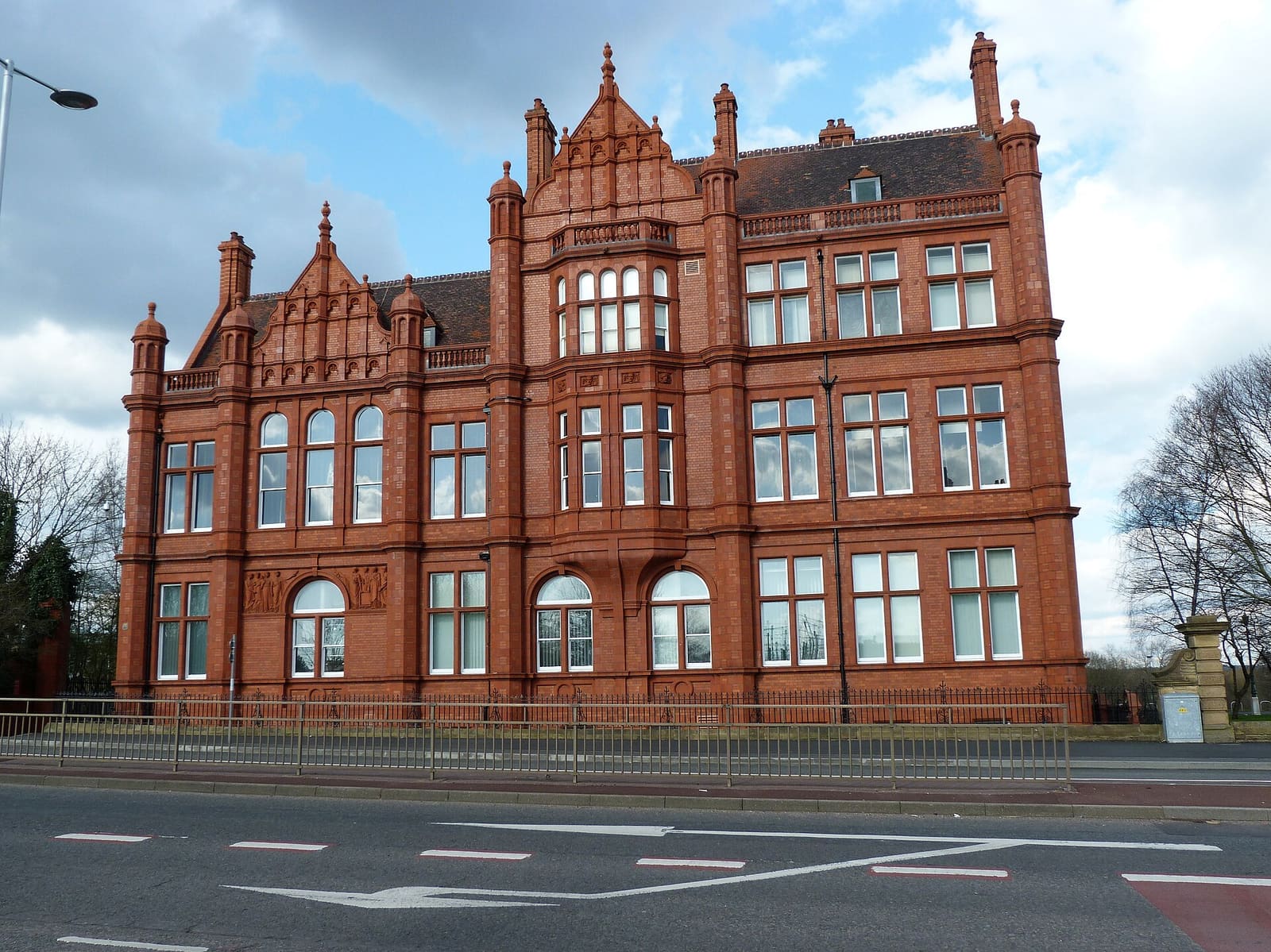
Salford, Greater Manchester. Founded 1967. Salford sits next to Manchester and is the university most closely tied to MediaCityUK — the BBC and ITV campus on the ship canal. Peel Park is the historic campus; MediaCity is where media, performance and digital courses actually teach. Health, built environment, acoustics and engineering are the other pillars. You get Manchester’s jobs market without paying Manchester city-centre rents if you live on the Salford side.
Two sites that matter: Peel Park and MediaCityUK.
Media, performance, acoustics, health and the built environment.
Treat it as part of the Greater Manchester offer, not a remote campus.
Official site: www.salford.ac.uk.
University of Sussex
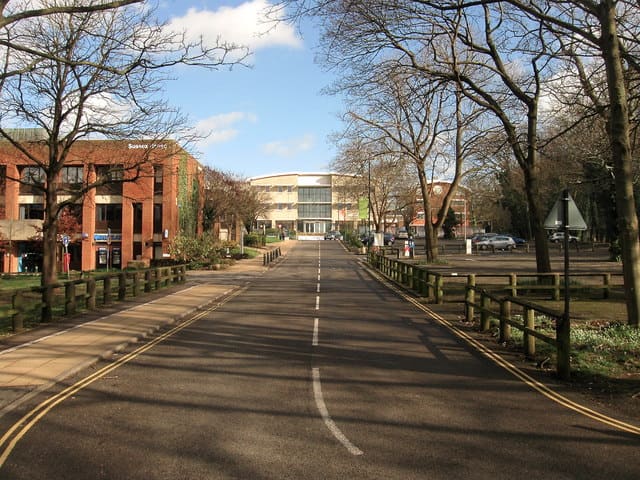
Falmer, on the edge of Brighton. Founded 1961. Sussex is a parkland campus in the South Downs, ten minutes by train from Brighton. It was one of the first plate-glass universities and still has a distinctive social-science and development-studies culture, alongside a serious science park. Brighton itself is the draw for a lot of students: a compact seaside city with a large international community. Falmer House, the meeting house at the heart of campus, is Grade I listed.
Campus at Falmer; Brighton is the city you actually live in at weekends.
Development studies, international relations, psychology and the sciences.
A campus university that still feels close to a real city.
Official site: www.sussex.ac.uk.
University of the West of England
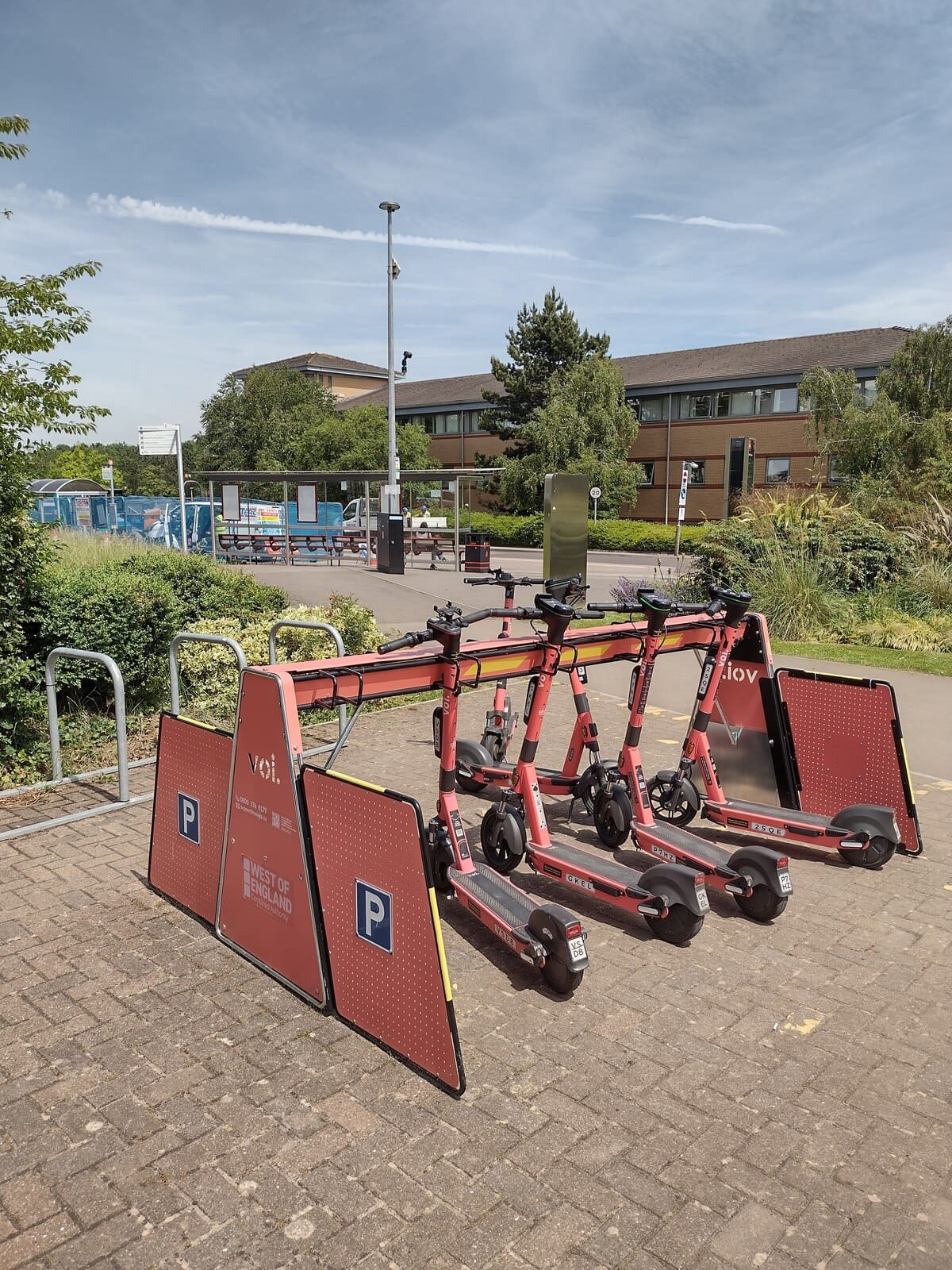
Bristol (Frenchay) — plus City and Gloucester campuses. Founded University status 1992. UWE Bristol is the large modern university on the north edge of the city, with its main teaching at Frenchay and specialist sites in the city centre and at Gloucester. It is a practical, professionally accredited university — business, law, health, engineering, animation and architecture — and it shares a city with the University of Bristol. Frenchay is a self-contained campus; the city centre is a short bus ride.
Usually listed as UWE Bristol. Frenchay is the main campus.
Professionally accredited courses in business, law, health and the built environment.
A good fit if you want Bristol without assuming a Russell Group offer.
Official site: www.uwe.ac.uk.
Specialist universities

University for the Creative Arts
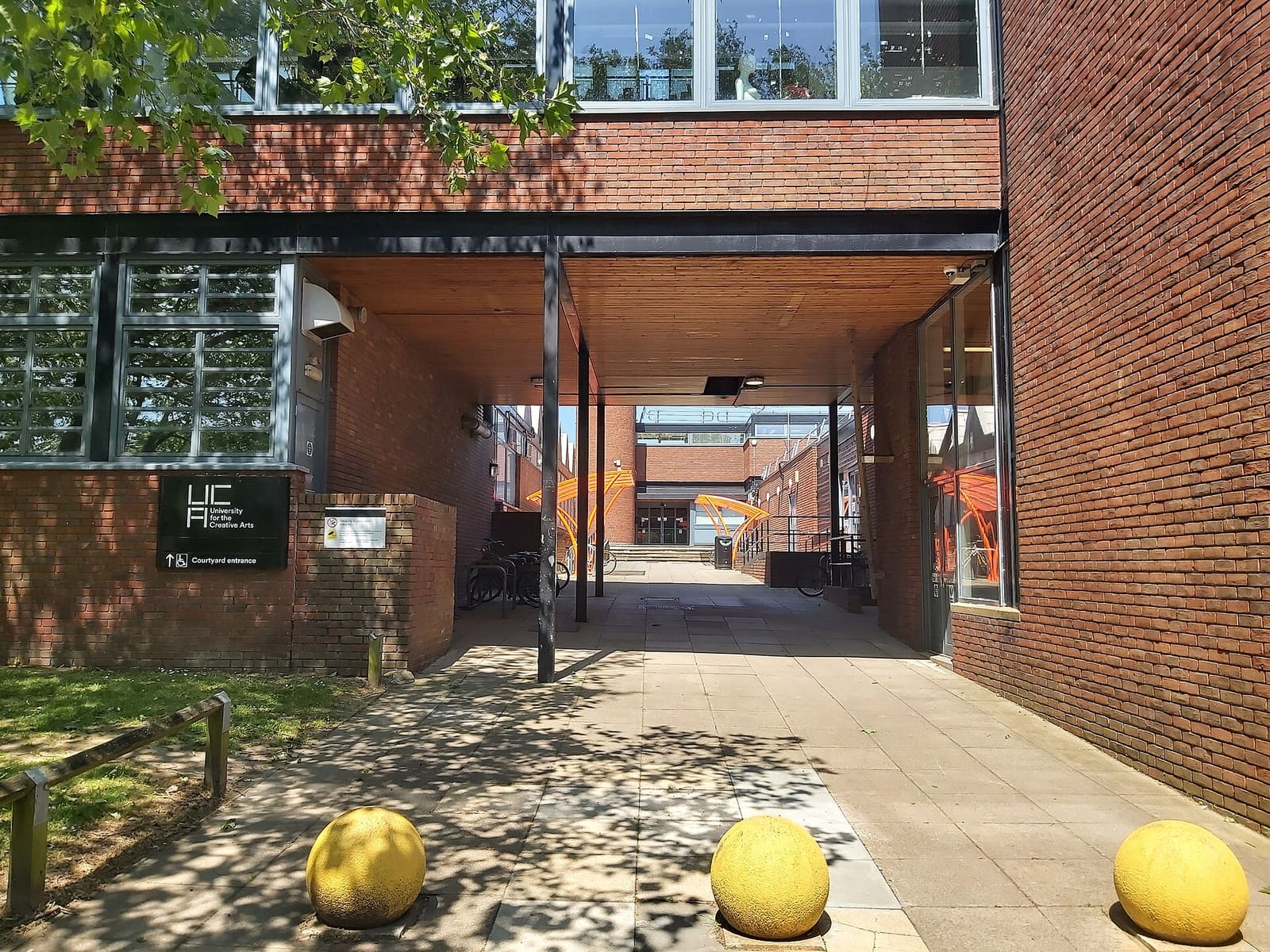
Farnham, Canterbury and Epsom. Founded University status 2008 (art-school roots from 1856). UCA is a specialist creative university, not a general civic one. Farnham is the largest campus — film, games, animation, crafts, photography — with architecture and fine art at Canterbury and fashion and creative business at Epsom. It ranks among the UK’s specialist art-and-design providers for research outputs. If the offer is for a studio subject, this is a different kind of university from Leeds or Exeter, and the portfolio matters more than A-level equivalents.
Specialist: art, design, architecture, fashion, film and games.
Farnham is the main campus; Canterbury and Epsom teach distinct subjects.
Prepare a portfolio. Entry is not the same process as a civic university.
Official site: www.uca.ac.uk.
The University of Law
Bloomsbury and Moorgate in London, plus cities across the UK. Founded College of Law 1962; university status 2012. ULaw is a private specialist in law and criminology, with campuses in London (Bloomsbury and Moorgate) and a long list of other UK cities, plus an online option. Teaching is vocational — solicitors, barristers, legal practice courses — rather than a broad civic catalogue. Many students use it for a conversion course or an LPC/SQE pathway after a first degree elsewhere. It is not a Russell Group research university; it is a professional school with many doors.
Specialist law school. Nineteen UK locations plus ULaw Online.
Look at the SQE, LPC and LLB pathways, not a general undergraduate catalogue.
Campus choice is a lifestyle decision: London vs a regional city vs online.
Official site: www.law.ac.uk.
What to do next
Shortlist two or three on subject and city first, then check the live courses and English conditions on the portal. A counsellor can file the application once the choice is real — not the other way around.
Browse the public course catalogue for intake and entry points.
Run Recommended Programmes if you are still comparing subjects.
Agencies apply on behalf of the student; students do not self-register on this portal.